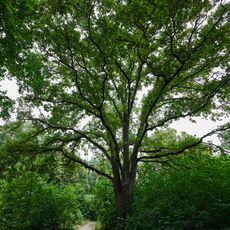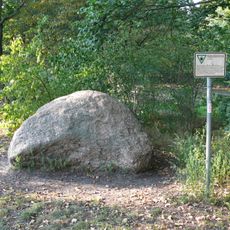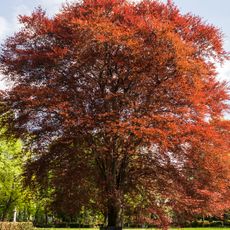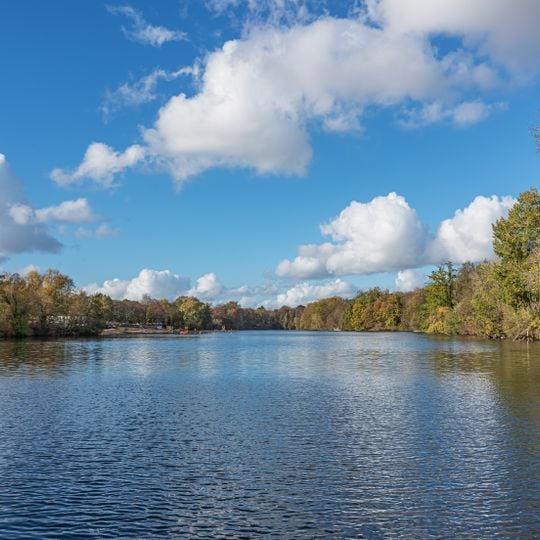
Plötzensee, Glacial lake in Mitte district, Germany.
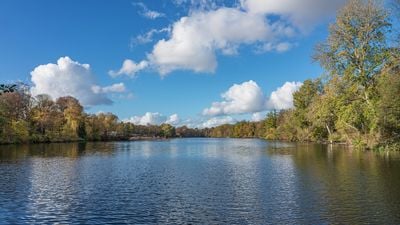
Plötzensee is a glacial lake in Mitte that belongs to a chain formed during the last ice age. The body of water has an elongated shape and is ringed by green spaces and recreational areas.
The area fell under the control of a Benedictine convent in Spandau until 1443, when authority shifted to Prussian administrators. Berlin took over the lake in the early 1800s.
The name comes from the Plötze, the common roach, a fish once plentiful here; until 1848 the lake was called Großer Plötzensee. The Benedictine nuns of Spandau ran a large fishery and held the fishing rights, which they leased to Berlin's fishermen in 1436 for ten Bohemian groschen a year and ceded to the city in 1443.
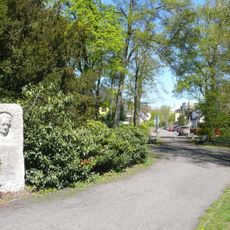
Swimming is banned in the lake except inside a buoy-marked area around the Strandbad Plötzensee, the open-air pool on the southwest shore since 1922. Since 2021 the banks are off-limits, tightened again in 2026, to stop erosion. A promenade laid out in 1926, now named after explorer Hans Schomburgk, circles the water.
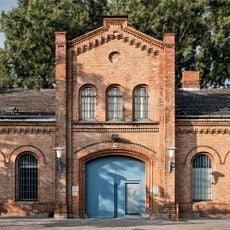
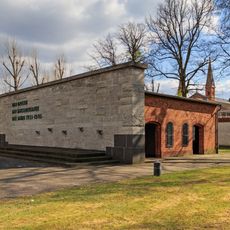
The executions associated with the name took place at Plötzensee Prison, built in the 19th century south of the Schiffahrtskanal, not at the lake itself; the Gedenkstätte Plötzensee there commemorates the victims of Nazi justice. The lake's own darker chapter was its reputation as the "Totes Meer" because of numerous bathing accidents up to the early 20th century.
The community of curious travelers
AroundUs brings together thousands of curated places, local tips, and hidden gems, enriched daily by 94,454 contributors worldwide.