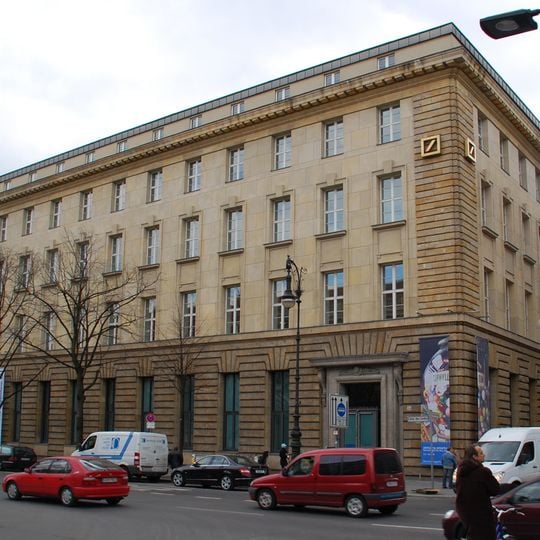
Deutsche Guggenheim, Art museum on Unter den Linden, Berlin, Germany
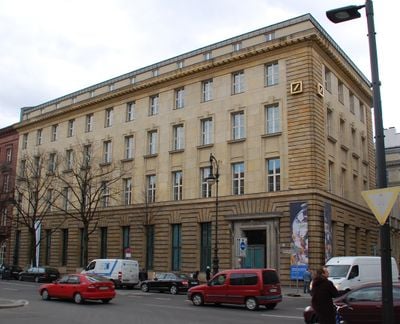
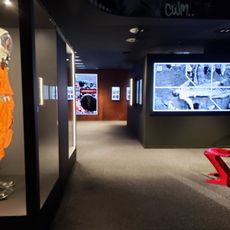
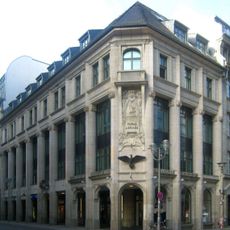
The Deutsche Guggenheim was a contemporary art museum in Unter den Linden in Berlin, housed within the Deutsche Bank headquarters. The museum offered exhibition space with tall ceilings in a minimalist, open design that gave artworks full attention.
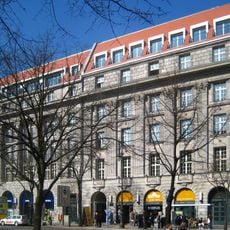
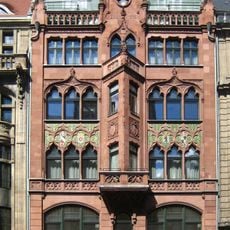
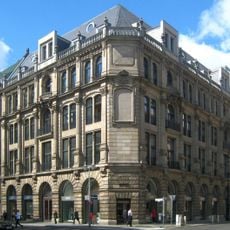
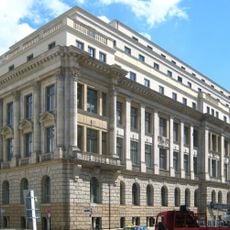
The idea came in 1993 from US ambassador Richard C. Holbrooke, who proposed a Berlin branch to Guggenheim director Thomas Krens. The gallery opened in November 1997, a month after the Guggenheim Bilbao, in the 1920 sandstone Deutsche Bank building on Unter den Linden. It closed in February 2013 when the contract expired; Deutsche Bank reopened the site as the KunstHalle in April 2013.
The space was known for its contemporary art exhibitions and featured works by artists commissioned specifically for this location. The selection of artists reflected an interest in diverse artistic approaches, ranging from experimental to conceptual work.
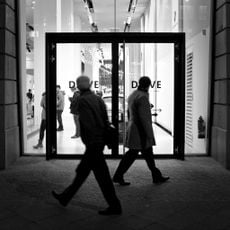
The gallery occupied a corner of the ground floor of the Deutsche Bank building on Unter den Linden 13–15, entered from street level. The single hall measured 50 metres long, 8 metres wide and 6 metres high, so the whole exhibition could be seen in one continuous walk.
The final show, "Visions of Modernity" (November 2012 to February 2013), paired Picasso and Cézanne still lifes, Van Gogh and Monet landscapes, and Marc and Kandinsky abstractions with sculptures by Degas, Calder and Brâncuși. It was planned as a bookend to the first exhibition, Robert Delaunay: Visions of Paris, from 1997.
The community of curious travelers
AroundUs brings together thousands of curated places, local tips, and hidden gems, enriched daily by 92,879 contributors worldwide.