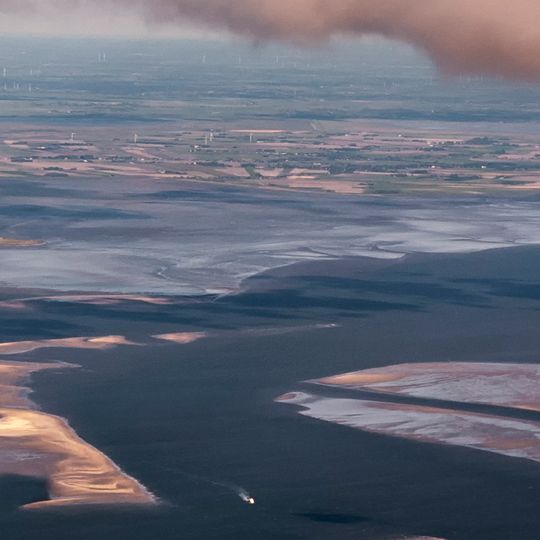
Rungholt, Medieval archaeological site in North Frisian Wadden Sea, Germany
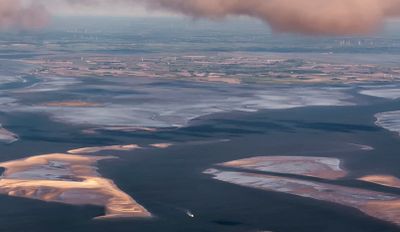
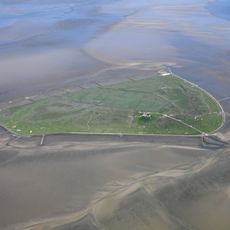
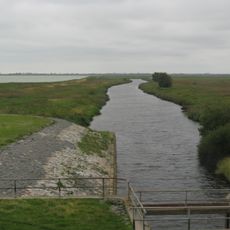
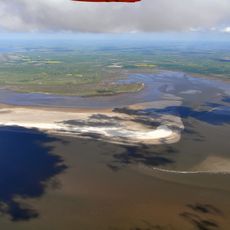
Rungholt is a medieval settlement buried beneath the mudflats of the North Sea. The remains span several kilometers and are studied through geophysical surveys and ongoing excavations.
The settlement was completely submerged in 1362 by the Grote Mandrenke, a catastrophic storm tide. This event erased a prosperous trading community and shaped the coastal history of the region.
The name Rungholt likely comes from "ring" and "holt," referring to a fortified settlement in the mudflats. Excavations reveal it was a busy trading hub where houses, churches, and storage buildings once crowded together.
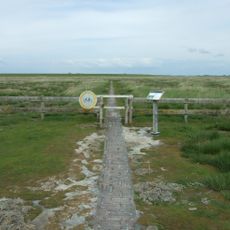
The site is only accessible when tidal mudflats are exposed at low tide, so tidal schedules determine the best visiting times. A local guide or mudflat guide makes exploring safer and helps you understand the finds better.
Excavated wooden fragments and everyday objects are now displayed at the NordseeMuseum Husum, revealing how ordinary life worked in this submerged city. These artifacts show details about crafts, trade, and family life that would otherwise be lost to history.
The community of curious travelers
AroundUs brings together thousands of curated places, local tips, and hidden gems, enriched daily by 92,643 contributors worldwide.