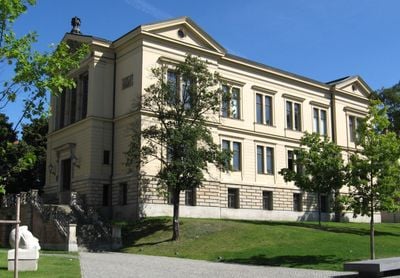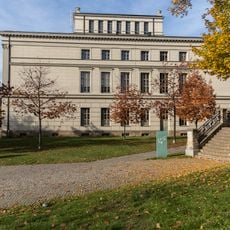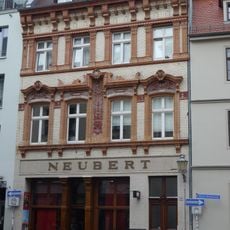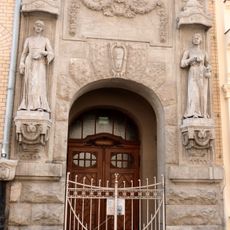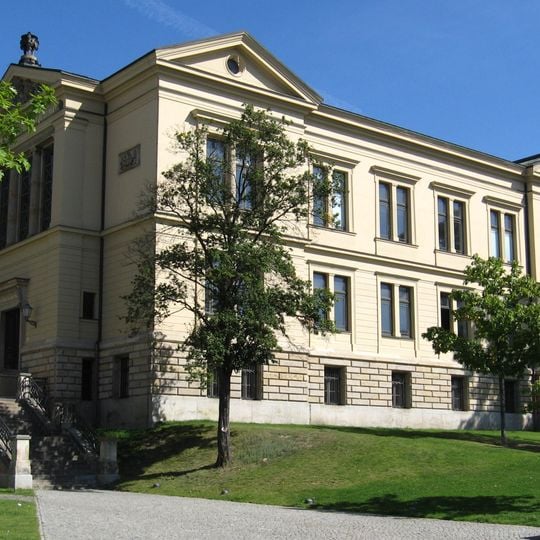
Archäologisches Museum Robertinum der Martin-Luther-Universität Halle, Archaeological museum at Universitätsplatz, Halle, Germany.
The Archäologisches Museum Robertinum is a university museum in Halle displaying Mediterranean artworks and artifacts spanning multiple ancient civilizations. The collection includes objects from Egypt, Greece, Etruria, Rome, and the Near East, housed within a historic building from 1891.
The museum originated from a teaching collection established in 1849, following the creation of a Classical Archaeology chair at the university in 1845. The current building was constructed in 1891 as a dedicated space for the expanding collection.
The collection displays plaster casts of ancient sculptures and watercolor reproductions of Pompeian paintings, helping visitors understand what lost artworks looked like. These copies allow people to imagine how such pieces appeared in their original form.
The museum operates in its original building with regular hours for individual visitors. Group tours can be arranged in advance and provide deeper insights into the collection's highlights.
One of the most notable pieces in the collection is a Panathenaic prize amphora from the 6th century BC, among the earliest known examples of its kind. This vessel shows how Greeks honored athletic competition winners and remains rarely seen outside museums.
The community of curious travelers
AroundUs brings together thousands of curated places, local tips, and hidden gems, enriched daily by 92,235 contributors worldwide.