Nuremberg Castle, Medieval castle in Nuremberg, Germany.
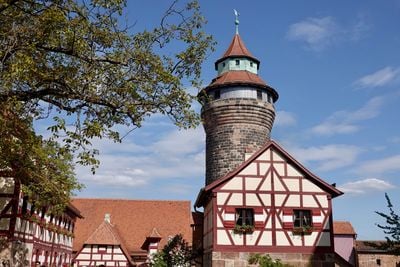
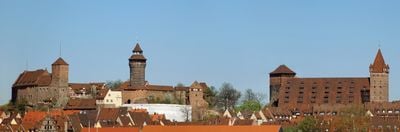
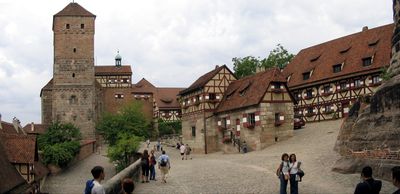
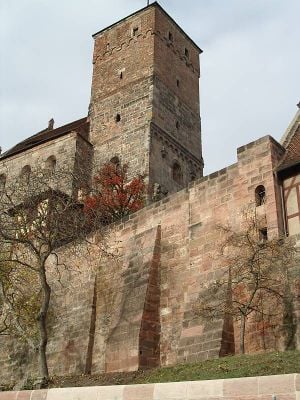
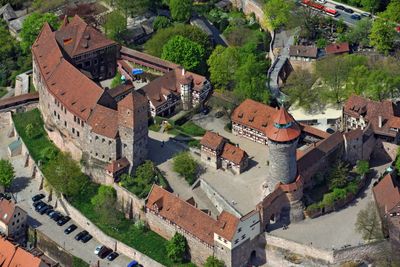
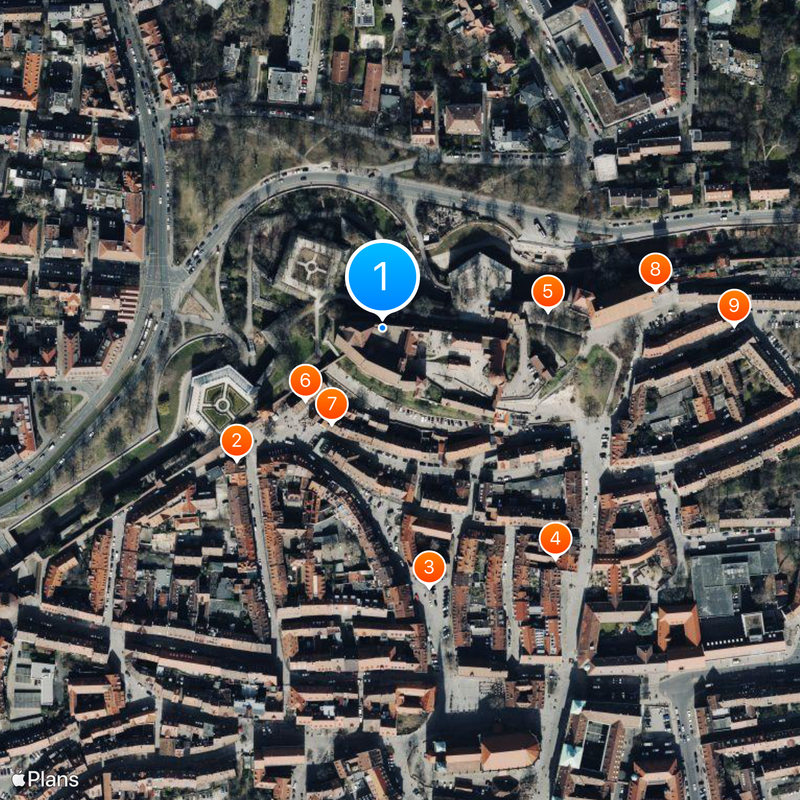
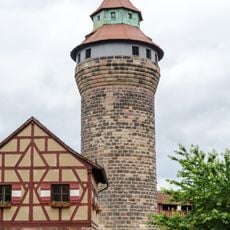
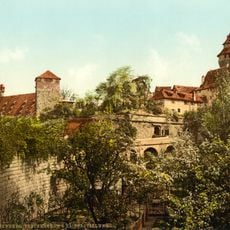
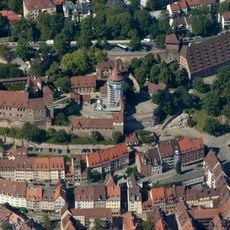
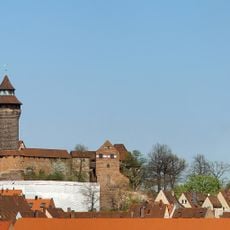
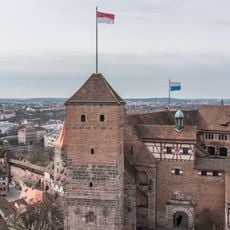
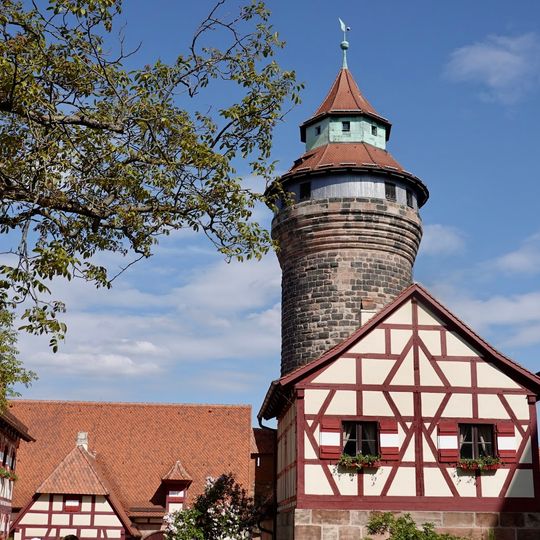
Nuremberg Castle is a medieval fortress on a sandstone ridge in the northern old town, made up of several fortified buildings with a palace, double chapel, Sinwell Tower, and Deep Well. The complex rises across multiple levels and connects imperial living quarters, defensive structures, and service buildings into a unified fortified compound that defines the city skyline.
Construction started around the year 1000 under the Salian dynasty, which established a first residence for imperial assemblies. During the 12th century under the Hohenstaufen emperors, the site took its current form and served as a regular residence for rulers of the Holy Roman Empire until the 16th century.
The double chapel inside the palace features two stacked rooms connected by a circular opening in the ceiling, allowing emperors and courtiers to participate in services from separate levels. Visitors today can walk through both floors and see how this medieval design kept social distance while enabling shared worship, a solution that shaped religious architecture across the empire.
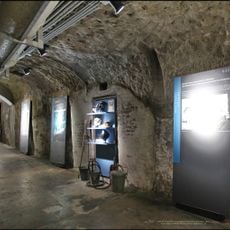
Visitors reach the fortress on foot through several routes from the old town and should wear sturdy shoes, as stairs and pathways can be steep in places. Guided tours of the living quarters and well provide insights into the construction history and explain how the water supply worked through the rock shaft.
The Deep Well in the castle courtyard reaches about 164 feet (50 meters) into the solid sandstone rock and was carved entirely by hand into the natural stone. During guided tours, a burning light is lowered into the shaft so visitors can see the full depth and the smooth rock walls.
The community of curious travelers
AroundUs brings together thousands of curated places, local tips, and hidden gems, enriched daily by 60,000 contributors worldwide.