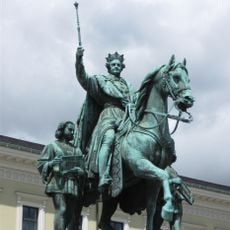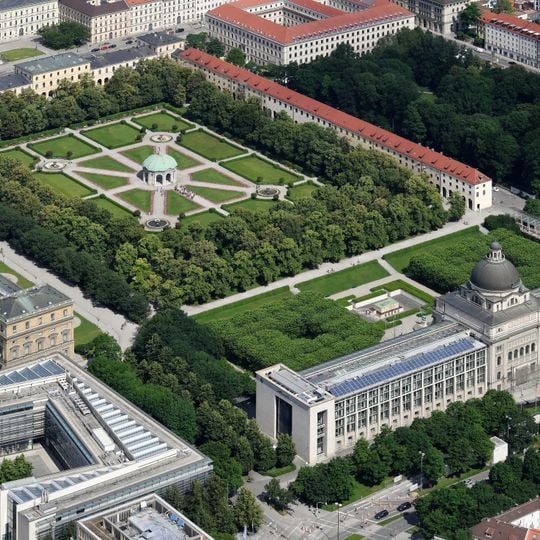
Hofgarten, Renaissance park in Münchner Altstadt, Germany
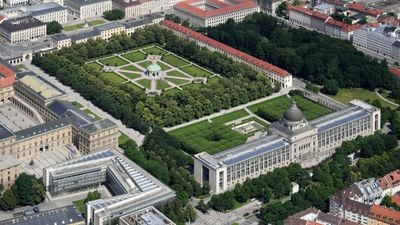
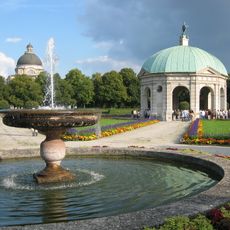
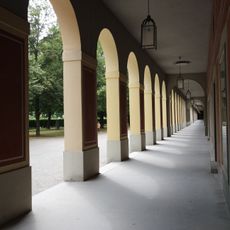
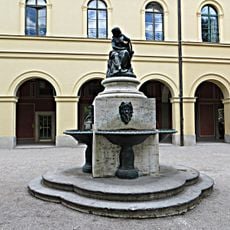
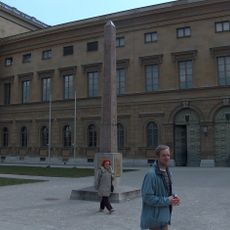
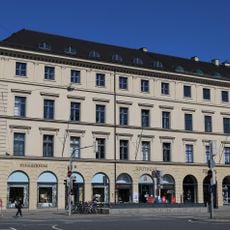
Hofgarten is a Renaissance park in central Munich positioned between the Residenz palace and the Englischer Garten, featuring symmetrical pathways and a central pavilion dedicated to Diana. Rectangular lawns and regularly spaced trees form geometric patterns that are framed by colonnaded arcades.
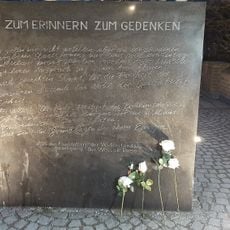
The garden was created between 1613 and 1617 under Maximilian I of Bavaria, blending Italian Renaissance design principles with local architecture. Over centuries it transformed into public parkland and now holds a memorial to the White Rose, a resistance group that opposed Nazi rule.
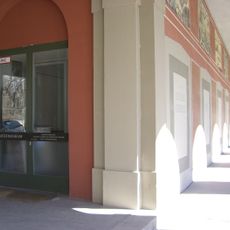
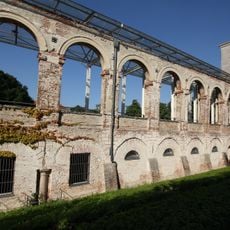
The name Hofgarten means "court garden", from its role as the garden of the Munich Residence. The western arcades carry frescoes by Peter von Cornelius showing episodes from the history of the House of Wittelsbach. In the northern arcades, in the former Court Gallery built by Karl Albert von Lespilliez in 1780/1781, is the German Theatre Museum.
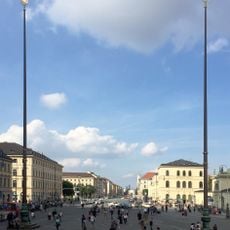
The Hofgartentor on the west side, built in 1816 as Leo von Klenze's first Munich work, faces the Theatinerkirche and serves as the main entrance; the Odeonsplatz U-Bahn station lies directly west of the garden. The paths are level, and the arcades along the north and west edges give shelter in rain or sun.
The Diana Temple's roof carries a copy of Hubert Gerhard's bronze Tellus-Bavaria statue of 1623; the original stands in the Residenz's Vierschäftesaal. Inside, four shell-decorated wall fountains are mentioned in André Gide's novel Les Fausses-Monnaies (The Counterfeiters).
The community of curious travelers
AroundUs brings together thousands of curated places, local tips, and hidden gems, enriched daily by 92,907 contributors worldwide.