Grüner Pütz, Archaeological site in Nettersheim, Germany
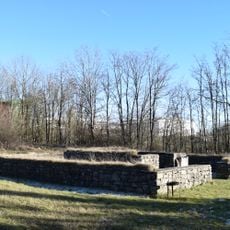
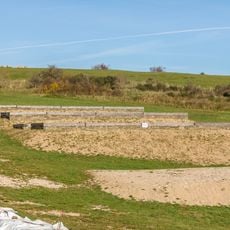
Grüner Pütz is a Roman spring collection facility in Nettersheim where water was channeled through underground stone passages. The site demonstrates ancient engineering methods used to gather and distribute water from a natural source.
The spring collection at Grüner Pütz fed the Eifel aqueduct, which supplied Cologne in the 2nd and 3rd centuries AD. In the mid-19th century, mining official C. A. Eick established archaeologically that this was the outermost point of the aqueduct. The spring collection was excavated in 1952 by Waldemar Haberey and restored in 1975.
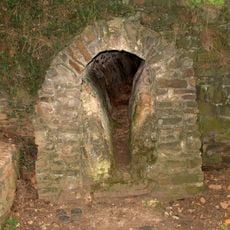
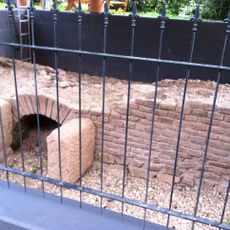
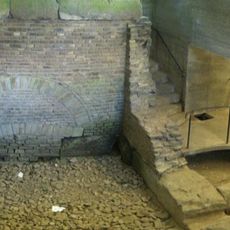
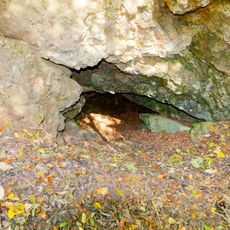
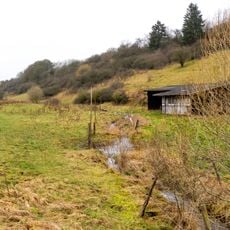
The name Grüner Pütz refers to the meadow hollow in the Urft valley where the spring water was captured. Since 2012 the seepage conduit, spring chamber and canal have formed stations 1 and 2 of the Römerkanal-Wanderweg from Nettersheim to Cologne, and the reconstructed chamber has a valley-side opening through which visitors can watch how the structure worked.
The site is accessible via marked hiking trails and can be reached from a parking area near the former mill. Proper footwear and preparation are recommended since access involves navigating natural terrain.
The original spring chamber was fitted with modern openings that allow safe viewing of the ancient water collection structures inside. This brings the underground engineering directly into view for visitors.
The community of curious travelers
AroundUs brings together thousands of curated places, local tips, and hidden gems, enriched daily by 92,886 contributors worldwide.