St. Makkabäer, Benedictine nunnery in Niederich, Cologne, Germany
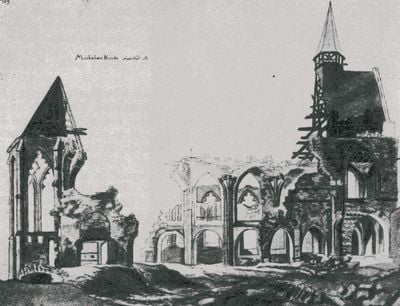
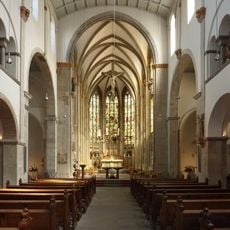
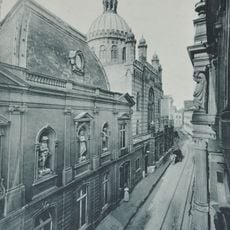
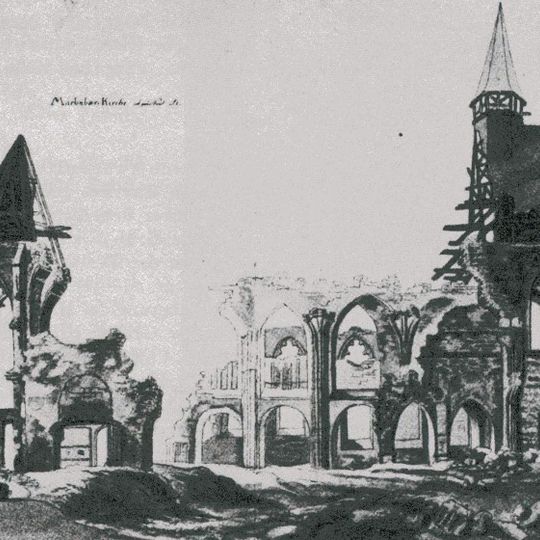
St. Makkabäer was a Benedictine convent founded in 1178 in Cologne's northern suburb of Niederich, on today's Machabäerstraße. Its church began as a chapel dedicated to Mary Magdalene, documented in 1134, and was rebuilt around 1178; around 1200 the prioress Mechtildis called it a novella ecclesia, and under Archbishop Engelbert (1216–1225) a new choir was begun. The convent was dissolved in the secularization of 1802 and its buildings demolished a few years later.
The convent was founded in 1178 beside an old chapel on the Greesberg field, which had been documented in 1134 as a chapel of Mary Magdalene and was rebuilt as a larger church around 1178. Under Archbishop Engelbert (1216–1225) a new choir was begun. The convent was dissolved in the secularization of 1802 and its buildings were demolished a few years later.
The Maccabees were biblical martyrs whose veneration gave this monastery its name and drew pilgrims to the site. The nuns integrated themselves into the city's religious life and shaped Cologne's spiritual character through their prayers and service.
The monastery's location in the Niederich district near Eigelstein Street bears no visible remains today. Visitors can learn about its history through city archives and local history collections.
The legend of Rainald bringing the Maccabean relics to Cologne first appears in the 14th-century Chronica praesulum, which calls them a gift from Emperor Barbarossa. The nuns of the Blutgasse received the relics after Archbishop Rainald of Dassel decided their claim over that of the St. Ursula canonesses, and the street was renamed platea Machabeorum.
The community of curious travelers
AroundUs brings together thousands of curated places, local tips, and hidden gems, enriched daily by 94,132 contributors worldwide.