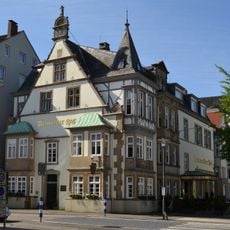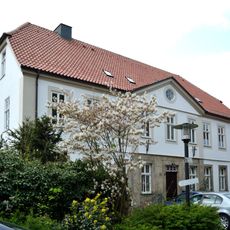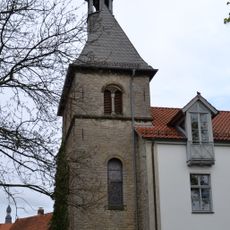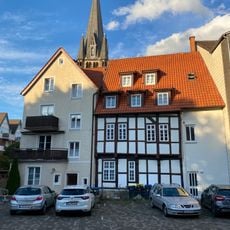
Free State of Lippe, Former federal state in North Rhine-Westphalia, Germany.
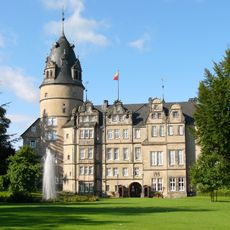
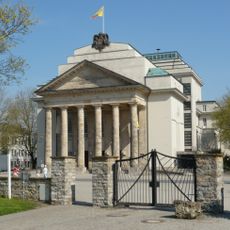
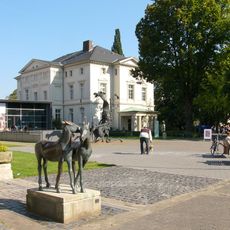
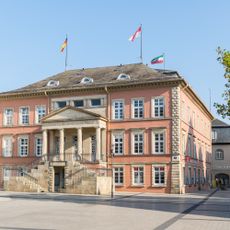
The Free State of Lippe was a territory in North Rhine-Westphalia with Detmold as its administrative center, lying between the Weser River and Teutoburg Forest. The region maintained its independence until 1934, when it lost its administrative autonomy.
The territory emerged in 1918 from a principality when Prince Leopold IV abdicated during the German Revolution and a new constitution was established. This constitutional transformation marked a break from its monarchical past.
The region had a strong Protestant tradition that shaped daily life and local customs among its people. This religious character influenced how communities were organized and how residents engaged with one another.
The territory was recognized as an independent unit, but the political and administrative situation became significantly complicated during the 1930s. Visitors interested in this period should understand that independence was short-lived and quickly superseded by larger restructurings.
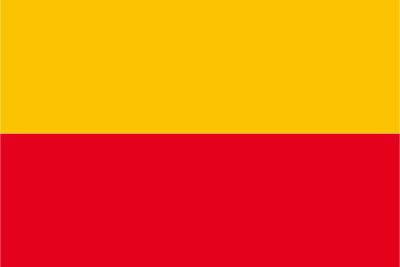
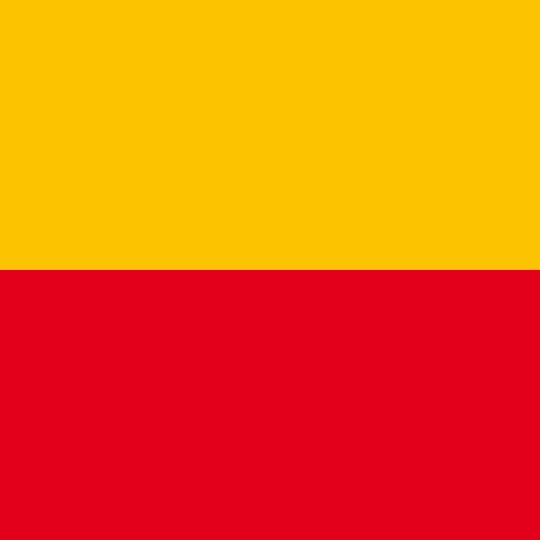
The territory used a distinctive coat of arms featuring five horizontal stripes in light blue, gold, black, red, and white that visually underscored its independence. This flag design was a visible symbol of its brief existence as a self-governing entity.
The community of curious travelers
AroundUs brings together thousands of curated places, local tips, and hidden gems, enriched daily by 91,632 contributors worldwide.