Nida, Roman archaeological site in Heddernheim district, Frankfurt, Germany
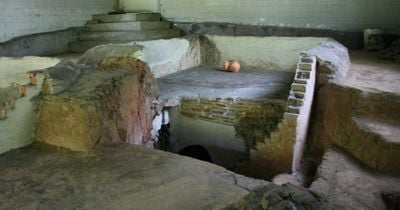
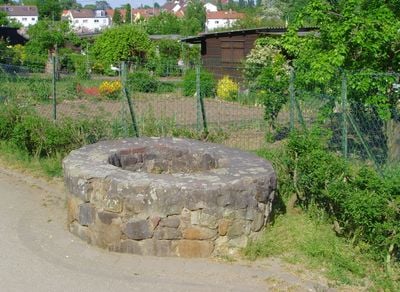
Nida was a Roman town in the area of today's Frankfurt-Heddernheim, covering 45 hectares at its height. It had two large public baths, the East Baths (64 x 36 m) and West Baths (45 x 68 m), a theatre seating 1,000 to 1,500, and a forum. A stone wall 2,750 m long with seven gates was built in the early 3rd century.
Emperor Trajan made Nida the capital of Civitas Taunensium around 110 AD, establishing its role as the region's administrative center. The settlement flourished during Roman occupation before eventually being abandoned.
The name Nida is attested in Roman written sources and probably derives from the neighbouring river Nidda. Four sanctuaries in the form of mithraea have been found, and a hoard of silver votive plaques from the vicus is now partly in the British Museum. A coloured stone image of Mithras from one mithraeum is kept in the Museum Wiesbaden, with a copy in the Archaeological Museum Frankfurt.
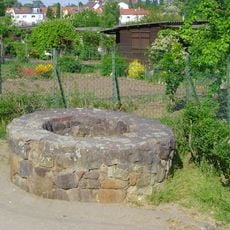
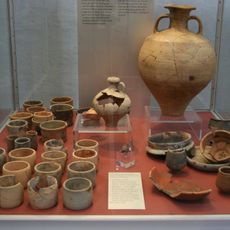
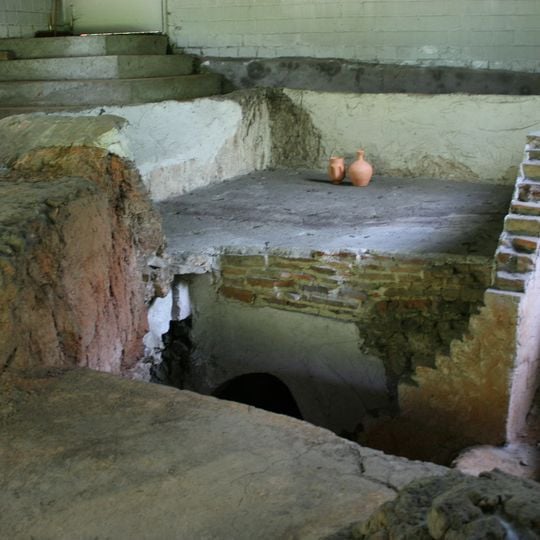
The main findings from Nida are displayed in the Frankfurt Archaeological Museum, where visitors can examine the objects in an organized exhibition. It helps to use museum guides to understand the exposed remains at the site itself.
Multiple fires marked Nida's history, with one burning so completely that it perfectly preserved a wooden cellar where archaeologists still find glass vessels and tools today. These accidental fires created an unintended window into Roman daily life.
The community of curious travelers
AroundUs brings together thousands of curated places, local tips, and hidden gems, enriched daily by 94,005 contributors worldwide.