Blautopf bei Essing, Natural spring in Essing, Germany
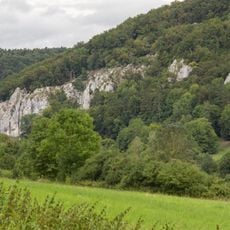
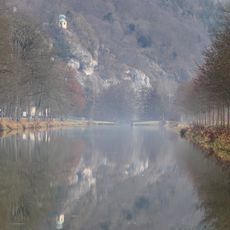
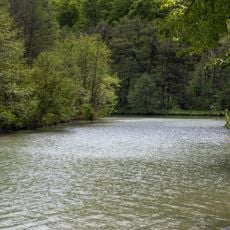
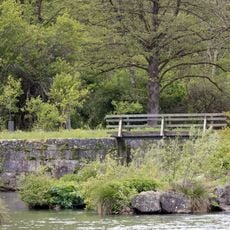
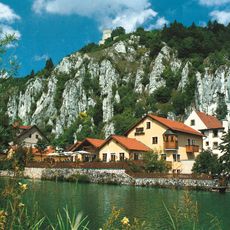
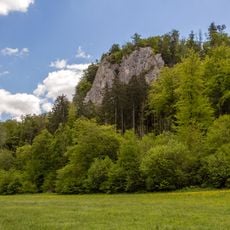
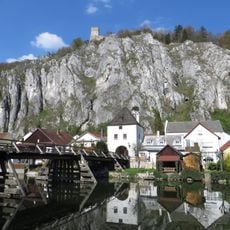
Blautopf bei Essing is a karst spring where water emerges from limestone cliffs along the river valley. The flow comes from underground channels that feed this natural fountain.
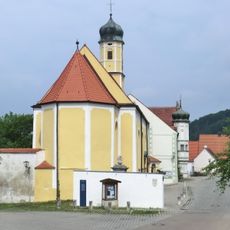
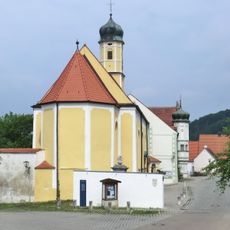
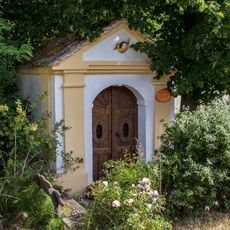
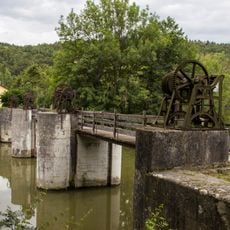
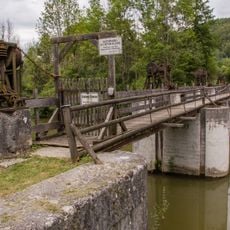
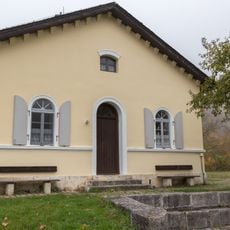
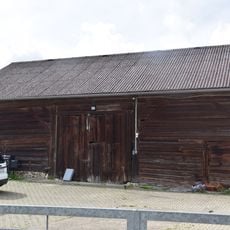
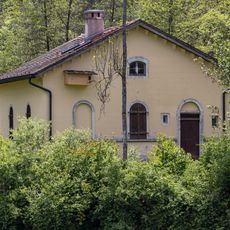
The spring powered the Weihermühle mill and later generated electricity. In 1692 it briefly dried up for unexplained reasons; when it flowed again, residents built the Weihermühlkapelle as a votive chapel, which still stands and is maintained.
The small votive chapel near the spring, the Weihermühlkapelle, was built by local residents in gratitude after the Blautopf briefly dried up in 1692 and then flowed again. The chapel still stands and is maintained today. The spring's name comes from the bluish colour of its water, as does that of the Swabian Blautopf near Blaubeuren, which is why this one is also called the Kleiner Blautopf.
Visitors can reach the spring by following a hiking trail that leads to an elevated viewpoint. The water source itself sits on private land and cannot be visited up close.
The spring's average discharge is about 300 litres per second, but it can peak at 4,500 litres per second. Its catchment area reaches the dolines near Maierhofen, and the water is rich in magnesium from dolomite in the underground cave sand. Trout live in the spring pool.
The community of curious travelers
AroundUs brings together thousands of curated places, local tips, and hidden gems, enriched daily by 94,457 contributors worldwide.