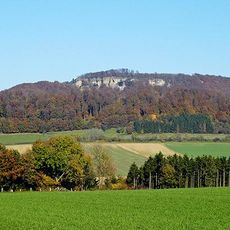
Burg Roden, Medieval castle ruins in Hessisch Oldendorf, Germany
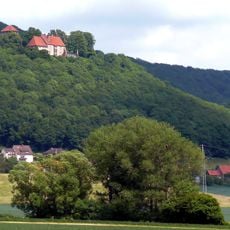
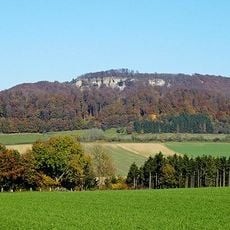
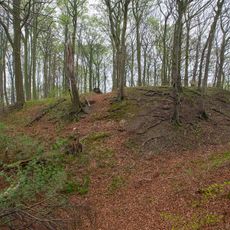
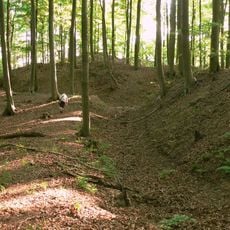
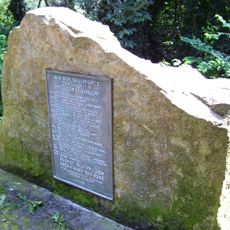
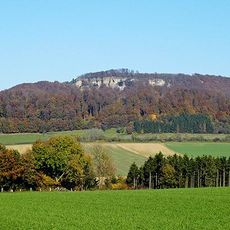
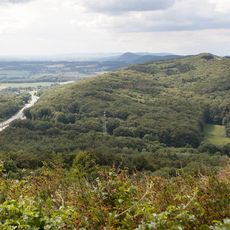
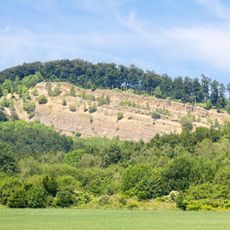
Burg Roden is a ruined hillfort on a plateau of the Amelungsberg ridge in the Süntel. It consisted of a smaller main castle, about 22 by 26 metres, protected by a rampart and a 3 to 5 metre deep ring ditch, and an adjoining outer bailey of 20 by 40 metres. The main castle had a surrounding wall with a two-part hall building to the west and a utility building to the east; the inner courtyard was probably paved. Today only faint building remains are visible, while the rampart and ditch are still discernible.
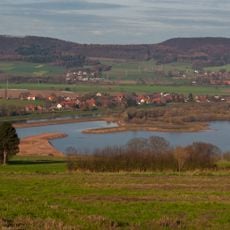
The Roden Counts built this fortification between 1130 and 1140 to strengthen their grip on the Weser Valley during power struggles with Emperor Frederick Barbarossa. This period saw constant battles over land and influence among regional nobility.
The castle's name comes from the Counts of Roden, who built it between 1130 and 1140. In 1181 the Schaumburg counts drove them out, and by the end of the 12th century the Roden family had withdrawn to the Wunstorf–Limmer area. No written records about the castle survive; its history is known only from archaeology.
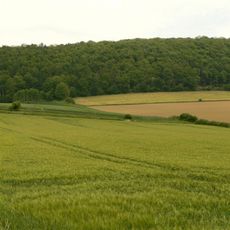
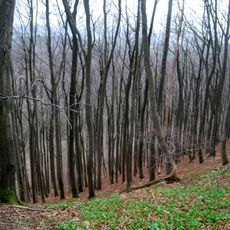
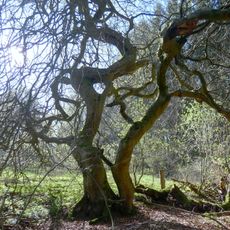
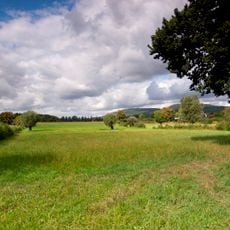
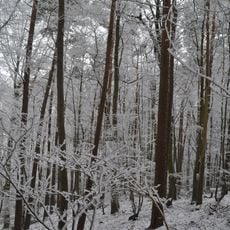
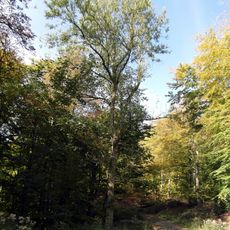
The site sits within the Hohenstein nature reserve and is accessible by hiking trails that wind through the landscape. Wear sturdy shoes since the ground is uneven and can become muddy after rain.
Excavations in 1926, 1950 and 1958 uncovered an outer ring wall and building walls in opus spicatum, stones laid in a herringbone pattern. Finds included pottery, keys, knife parts, nails, horseshoes, gaming pieces and a coin of 1435, pointing to use from the 12th to the 15th century. No written records about the castle are known.
The community of curious travelers
AroundUs brings together thousands of curated places, local tips, and hidden gems, enriched daily by 92,619 contributors worldwide.