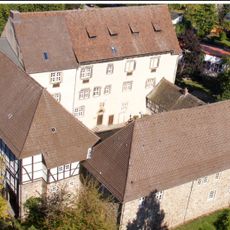
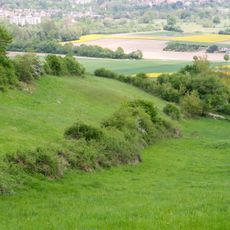
Burg Schell-Pyrmont, Medieval fortress ruins in Bad Pyrmont, Germany.
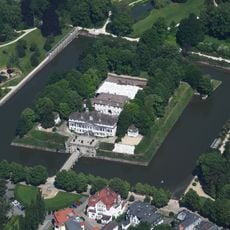
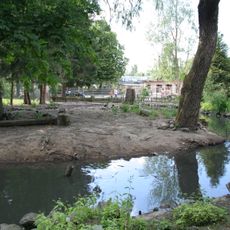
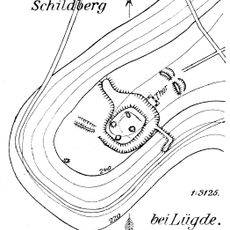
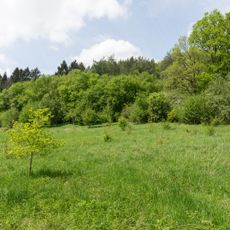
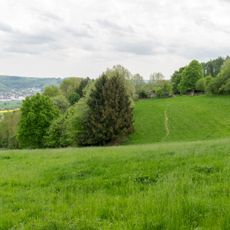
Burg Schell-Pyrmont is a castle ruin standing on an artificially flattened mountain spur in Bad Pyrmont. The site covers a rectangular area protected by defensive structures, with remnants of walls and tower foundations still visible across the grounds.
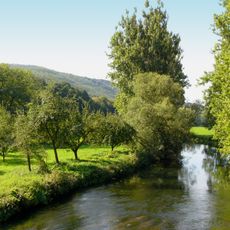
The castle is documented by a papal confirmation as early as 1184, when it secured the Emmer valley for the counts of Schwalenberg and was half-owned by the archbishop of Cologne. After 1186 the Pyrmont line separated from the Schwalenbergs and took the comital title from 1222. A feud with Cologne led to the castle's destruction between 1276/77 and 1284; around 1262 the counts had already moved their residence to Lügde.
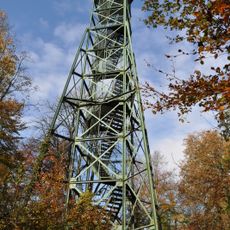
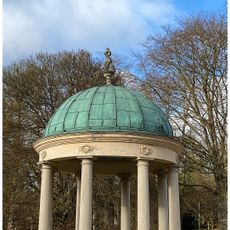
The name Pyrmont is traced to a Germanic castle said to have stood here around 810, built by a Count of Peremunt, son of Duke Widukind; the Cologne archbishop later called his own castle "Petri mons", the hill of the Apostle Peter. The Schellenturm of 1824, built on the south corner at the order of Prince Georg Heinrich of Waldeck-Pyrmont from the castle's own stone, is the landmark visitors climb today.
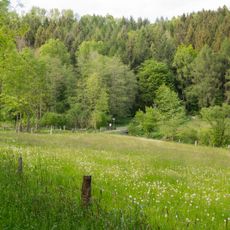
The castle grounds are freely accessible and offer good views of the ruins from various angles. Walking across the sloped terrain requires sturdy footwear, especially after wet weather.
The Schellenturm at the southern corner was built in 1824 on the orders of Prince Georg Heinrich of Waldeck-Pyrmont, using stone taken from the castle ruins. It stands where a ring-wall tower probably once stood, and beside it a 19 m wide, over 2 m deep hollow points to a cistern or cellar.
The community of curious travelers
AroundUs brings together thousands of curated places, local tips, and hidden gems, enriched daily by 93,626 contributors worldwide.