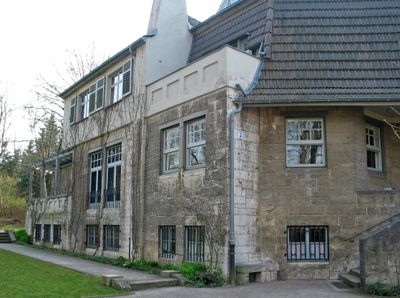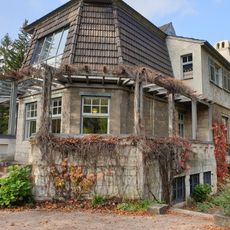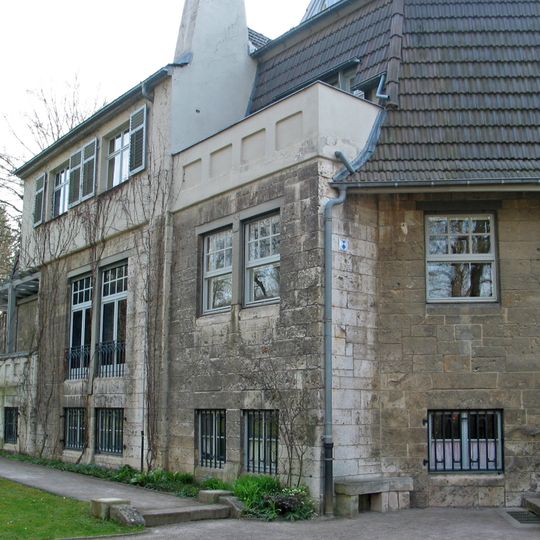
Haus Hohe Pappeln, Art Nouveau residence in Weimar, Germany
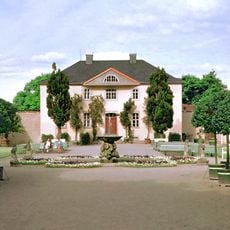
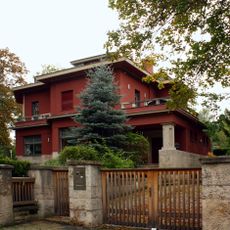
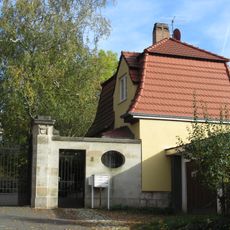
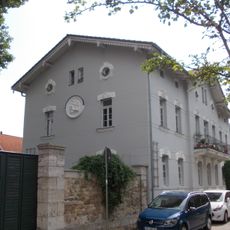
Haus Hohe Pappeln is an Art Nouveau residence in Weimar with carefully designed rooms and exterior elements that work together as a single composition. Both inside and outside, every detail serves the building's overall vision of how a home should look and feel.
The house was built between 1906 and 1907 by Belgian architect Henry van de Velde, who lived there while leading an arts school in Weimar. Van de Velde used the project to test his ideas about how people should live in modern times.
The house reveals a designer's intention to shape daily life through carefully chosen details: door handles, wall coverings, and furnishings all work together as one vision. This unified approach shows how someone believed that living well meant being surrounded by thoughtfully made things.
The house sits on Belvederer Allee in a quiet residential area that you can reach on foot from the city center. A guide leads you through the rooms and explains how everything is arranged and why, giving you a better sense of the designer's thinking.
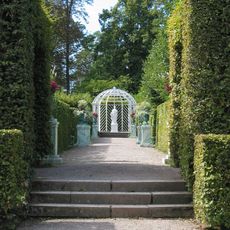
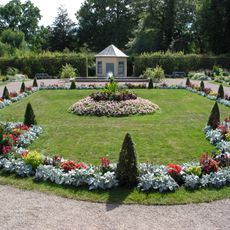
A sculpture of a kneeling youth by artist Georg Minne stands in the garden, surrounded by old fruit trees and a fountain. This work was chosen by Van de Velde to show his belief that art and nature should exist together in a home.
The community of curious travelers
AroundUs brings together thousands of curated places, local tips, and hidden gems, enriched daily by 60,000 contributors worldwide.