Kloster Kniebis, Benedictine monastery ruins in Freudenstadt, Germany
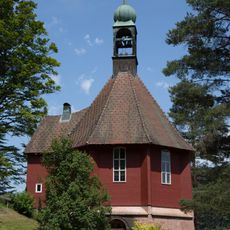
Kloster Kniebis is a Benedictine monastery ruin located on elevated terrain in the Black Forest, showing the remains of a medieval religious community. The stone foundations and partially standing walls allow visitors to identify key structures such as the chapel, living quarters, and utility buildings.
The monastery was founded in 1277 near an old trade route and became a priory of Alpirsbach Abbey in 1341. The Reformation led to its dissolution in 1535 under Duke Ulrich VI of Wurttemberg.
The site began as a chapel on the trade route between Ulm and Strasbourg, mentioned in 1267 and served by Franciscans. In 1277 Henry of Fürstenberg established a convent there, and in 1341 the community became a Benedictine priory under Alpirsbach Abbey. The name Kniebis refers to the pass where the monastery stood.
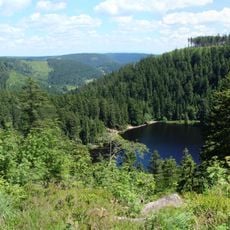
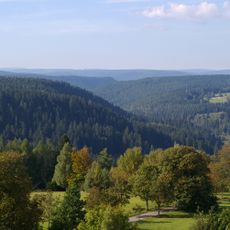
The ruins are freely accessible year-round and can be reached via marked trails from downtown Freudenstadt. The elevated location offers good views of the surrounding landscape, so allow time for the walk and be prepared for the terrain.
The monastery began as a chapel first recorded in 1267 at the top of the pass on the trade road between Ulm and Strasbourg. In 1278 Heinrich von Fürstenberg transferred the chapel, served by Franciscans, to the convent. The community joined the Benedictine abbey of Alpirsbach in 1341.
The community of curious travelers
AroundUs brings together thousands of curated places, local tips, and hidden gems, enriched daily by 94,623 contributors worldwide.