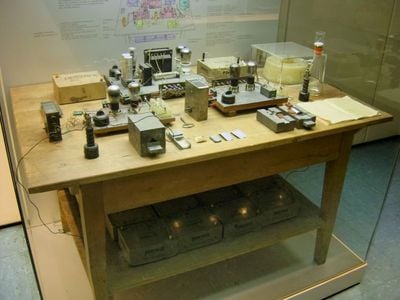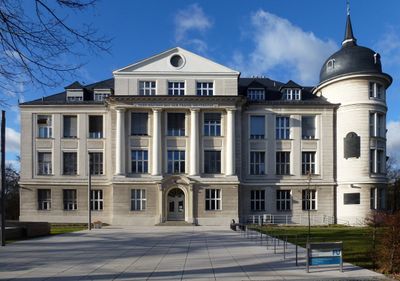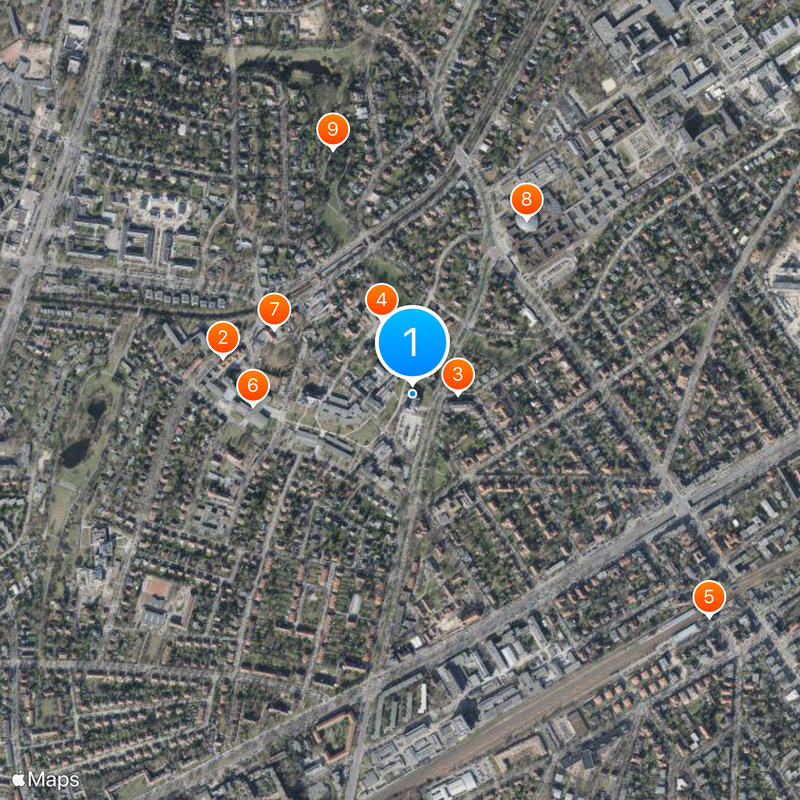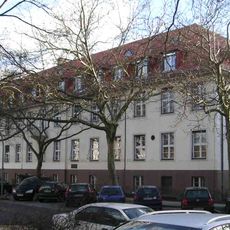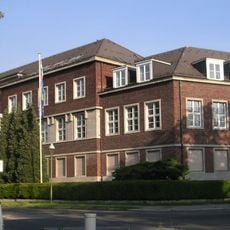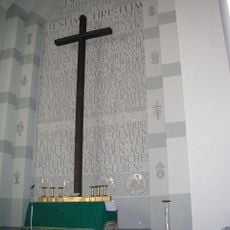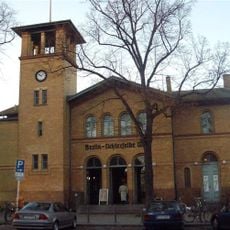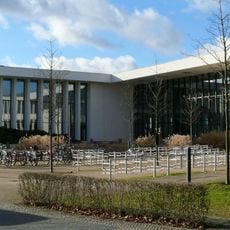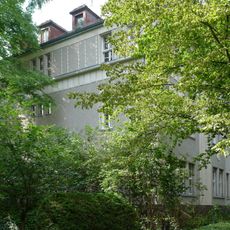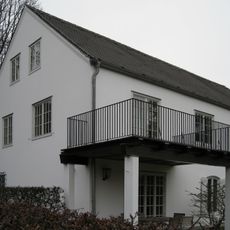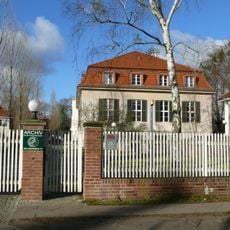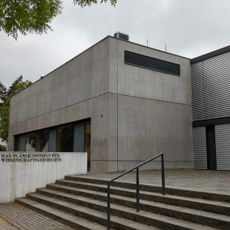
Discovery of nuclear fission, Scientific discovery site at Kaiser Wilhelm Institute for Chemistry in Berlin, Germany.
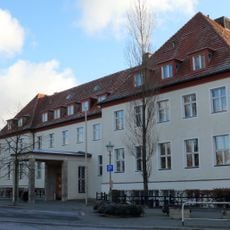
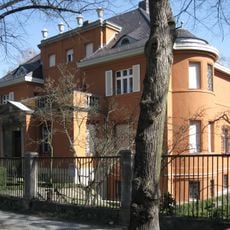
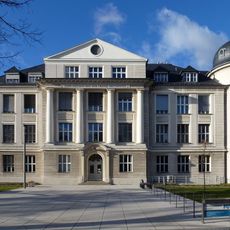
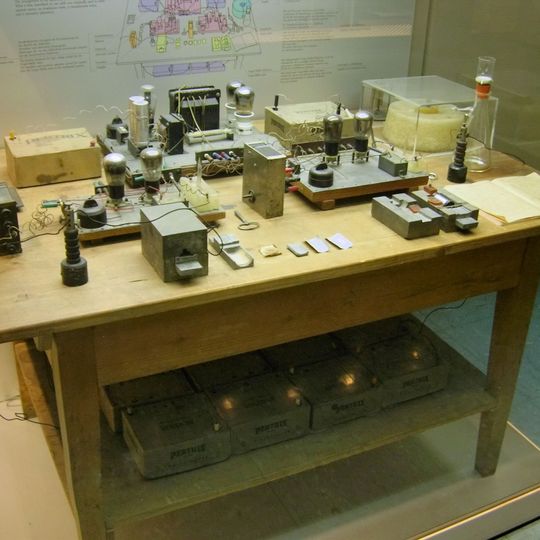
The site where nuclear fission was discovered is the former Kaiser Wilhelm Institute for Chemistry in Berlin. Laboratories inside the building housed benches with neutron sources, chemical separation apparatus, and instruments for measuring radiation and identifying atomic elements.
On December 17, 1938, Otto Hahn and Fritz Straßmann identified barium among the products of neutron bombardment of uranium, proving that the atom had split. Lise Meitner, who had fled Germany months earlier, provided the theoretical explanation for the process within weeks.
The experiments at this location changed how scientists understood the atomic nucleus and opened a new field where chemistry and physics worked together. Today the site connects to discussions about scientific responsibility and the dual nature of research that can serve both peaceful and destructive purposes.
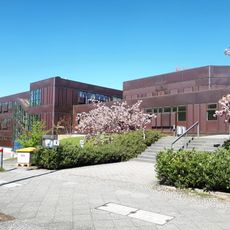
The original institute building no longer stands, but markers and plaques in the area commemorate the location. Visitors interested in the history of science can explore nearby archives and museums that hold documents and equipment from the period.
The researchers initially doubted their own results and needed days to accept that a uranium atom had actually broken into two pieces. News of the finding spread so quickly that physicists in other countries reproduced and confirmed the results within weeks.
The community of curious travelers
AroundUs brings together thousands of curated places, local tips, and hidden gems, enriched daily by 91,610 contributors worldwide.