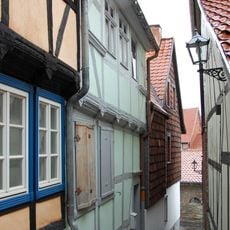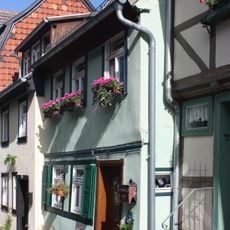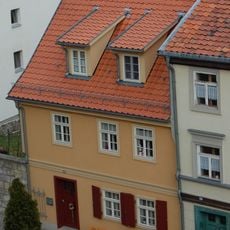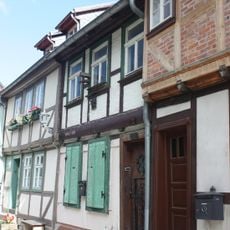
Schlossberg, Historic hill in Quedlinburg, Germany.
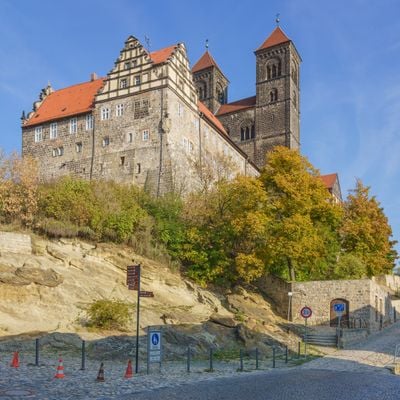
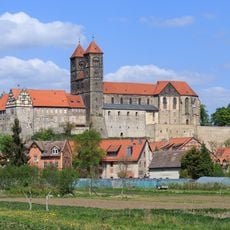
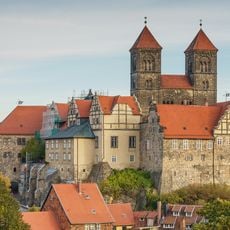
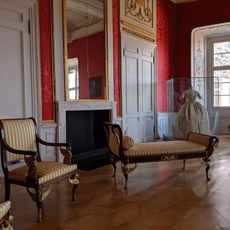
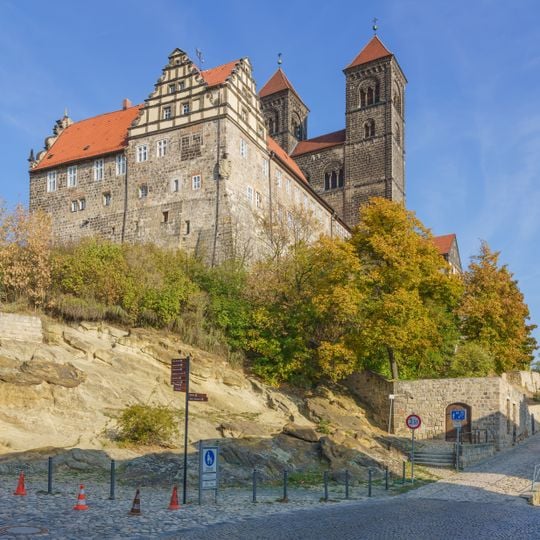
Schlossberg is a hill at the center of Quedlinburg, topped by a medieval castle complex that includes the Collegiate Church of St. Servatii and the remains of a palatial residence. The buildings are made of stone and brick, and their Romanesque architecture stands out clearly against the rooftops of the lower town below.
The site was established in the 10th century as a royal residence for the Saxon king Henry I, and his widow Mathilde later founded the collegiate chapter that gave the church its lasting role. Over the following centuries, the buildings were expanded and the complex shifted from a seat of royal power to a religious and administrative center.
The Collegiate Church of St. Servatii draws visitors interested in Romanesque art and medieval stonework. Inside, tombs and carved figures from the Middle Ages fill the nave and crypt, giving a clear sense of how central this place was to early German royal life.
The hill is reached on foot from the old town center by following paved paths that rise gradually from the lower streets. Some parts of the church and castle, including the crypt, involve steps and uneven surfaces, so those with mobility difficulties may find certain areas harder to access.
The crypt beneath the church holds the tombs of Henry I and his wife Mathilde, making it one of the rare places in Germany where you can stand directly above the graves of the founders of the Holy Roman Empire. Few visitors realize they are walking over the burial site of a king whose rule shaped the early history of medieval Germany.
The community of curious travelers
AroundUs brings together thousands of curated places, local tips, and hidden gems, enriched daily by 92,679 contributors worldwide.