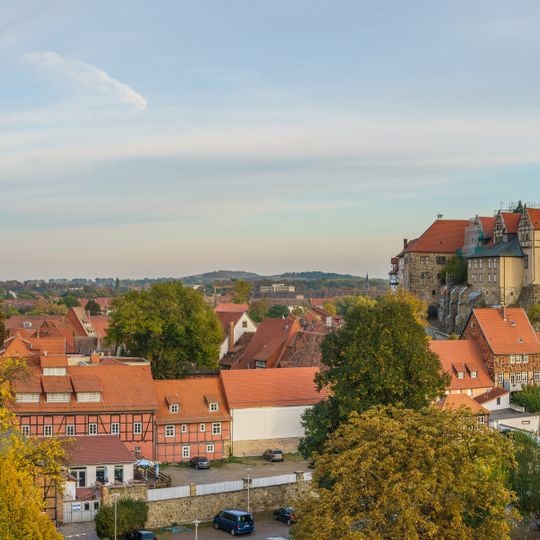
Quedlinburg, Medieval town in Saxony-Anhalt, Germany.
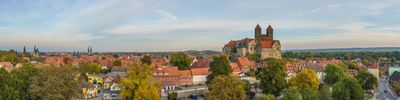
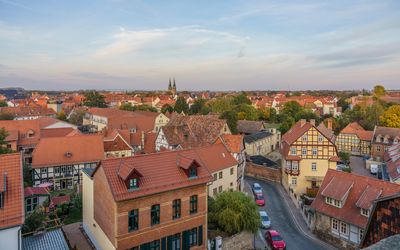
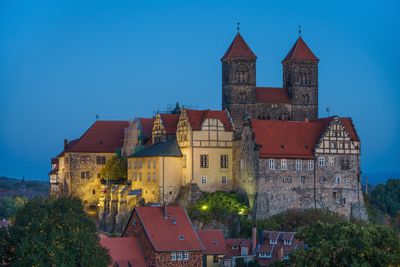
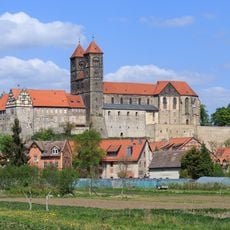
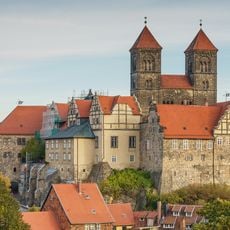
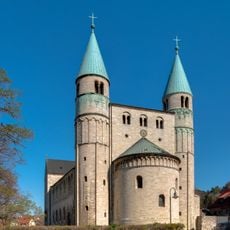
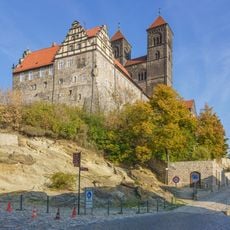
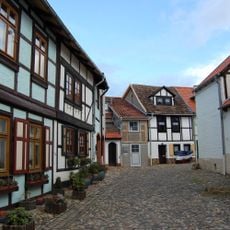
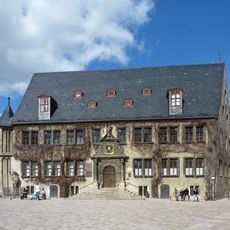
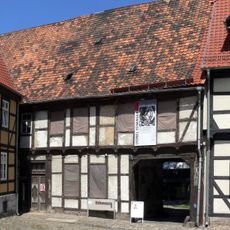
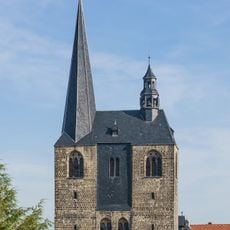
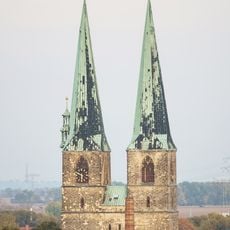
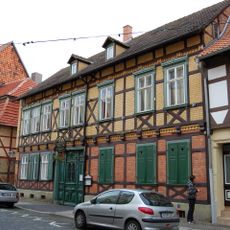
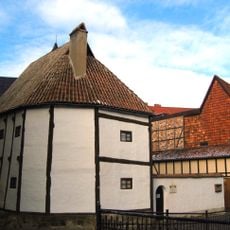
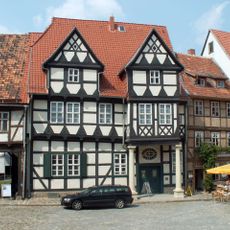
This town sits at the northern edge of the Harz mountains in Saxony-Anhalt, spreading along the Bode river with half-timbered houses built over five centuries filling its streets. A castle hill rises above the old quarter with a Romanesque church on top, while narrow lanes wind through residential areas that follow a medieval layout.
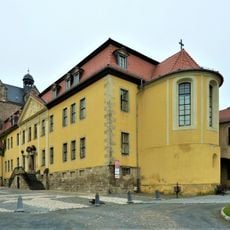
Henry I established a royal seat here in 922 and the settlement grew into a center of the Ottonian dynasty with an abbey that combined secular and religious power. After centuries under abbesses the abbey lost its rule through secularization at the start of the 1800s.
The name comes from an old settlement and today visitors walk through streets where residents live in timber-framed houses and run small shops in buildings centuries old. Lanes climb upward toward the church while below near the river houses from different periods stand close together forming the old town core.
The old town is easy to explore on foot as most points of interest lie close together in the narrow lanes and the climb to the castle hill takes only a few minutes. Regional trains connect the station with larger cities and a narrow-gauge railway runs from here to other places in the Harz range.
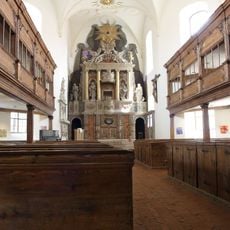
The church on the hill holds a treasury with manuscripts and liturgical objects from the Middle Ages, including items that once belonged to royal collections. For eight centuries abbesses ruled over the town and surrounding lands with authority that was both religious and political in nature.
The community of curious travelers
AroundUs brings together thousands of curated places, local tips, and hidden gems, enriched daily by 92,601 contributors worldwide.