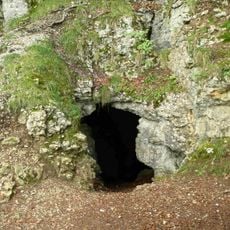
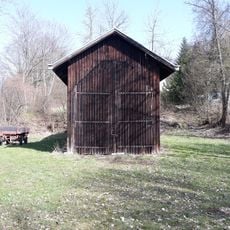
Olgahöhle, Natural cave in Honau, Germany
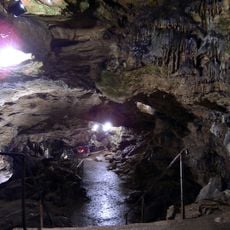
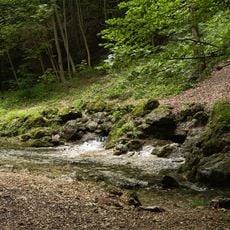
The Olgahöhle is a limestone cave near Honau featuring two parallel corridors with distinct geological formations throughout. The passages display characteristic blue tuff structures that shape the appearance of this underground system.
The cave was discovered in 1874 during quarry blasting work and opened to visitors shortly after. A groundbreaking lighting system was soon installed, establishing it as an early pioneer in cave technology.
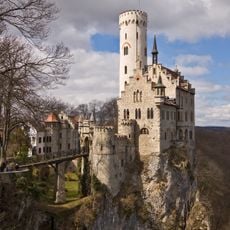
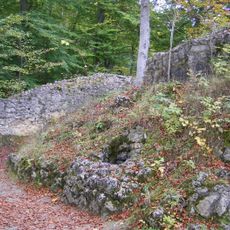
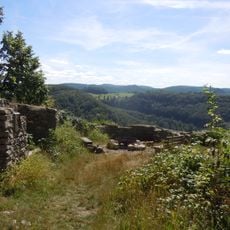
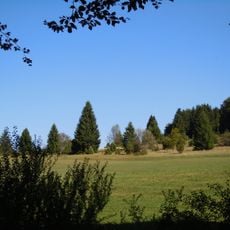
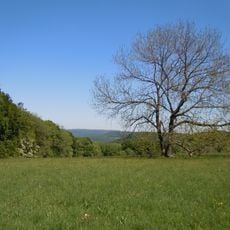
The cave is named after Queen Olga of Württemberg. From 1901 to 1903 the Lichtenstein Festival was held on the ground beside the cave, where a stage house was built for performances of Wilhelm Hauff's work Lichtenstein and demolished after the last season.
The cave is open between March and November, only on the first Sunday of each month. It is looked after by the Honau branch of the Swabian Alb Association and the Pfullingen cave research group. The two parallel passages were lowered after the cave's discovery, so the lower part is almost everywhere made of stable calcareous tufa sand.
This cave was an early adopter of electric lighting in underground spaces, setting a new standard for cave accessibility. The installation represented a major technological advance across Germany at the time.
The community of curious travelers
AroundUs brings together thousands of curated places, local tips, and hidden gems, enriched daily by 94,256 contributors worldwide.