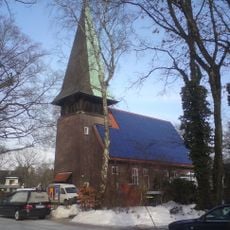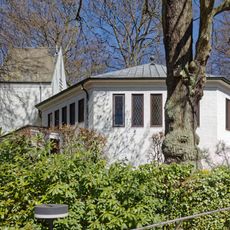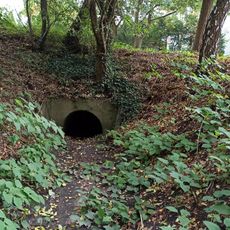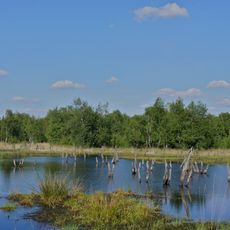
Wittmoor, Nature reserve between Hamburg and Schleswig-Holstein, Germany
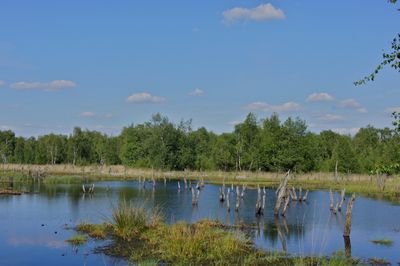
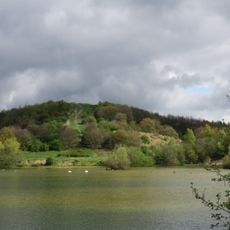
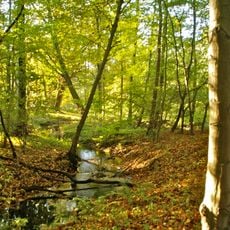
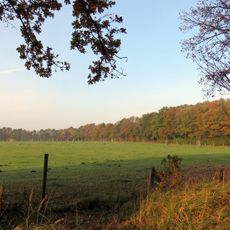
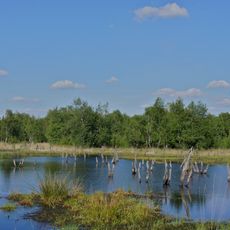
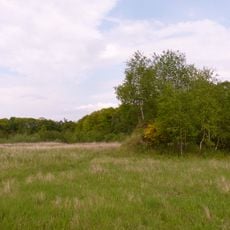
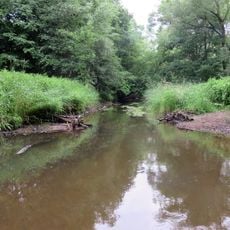
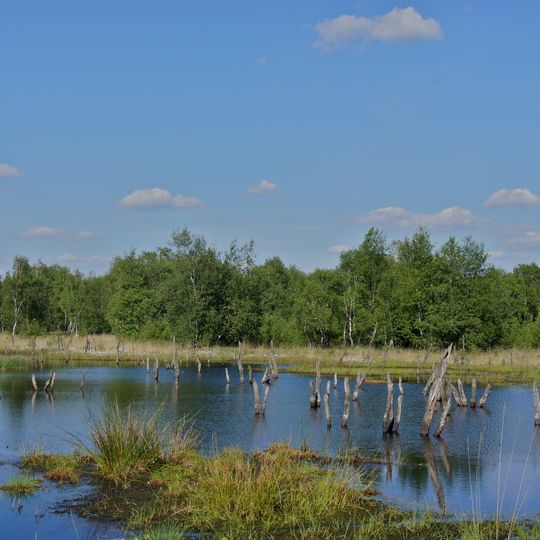
Wittmoor is a nature reserve covering about 106 hectares that spans across parts of Hamburg and Schleswig-Holstein, containing raised bogs, forests, meadows, and wetlands. The terrain displays typical features of a northern German moorland with changing habitat types.
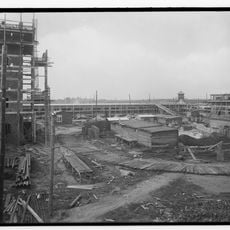
The site became home to one of the earliest Nazi concentration camps starting in 1933, where prisoners were forced to extract peat as labor. The camp operated until its closure in the following years.
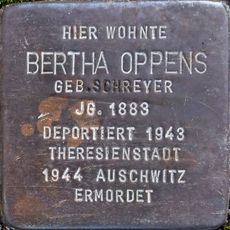
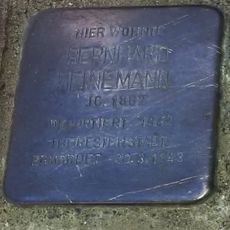
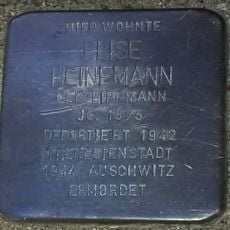
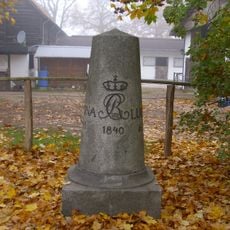
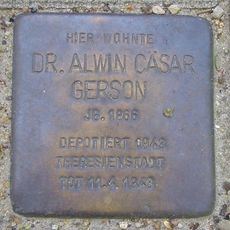
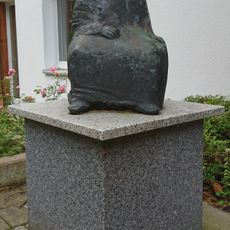
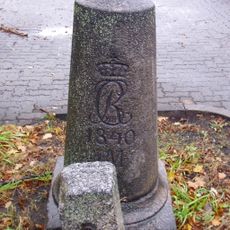
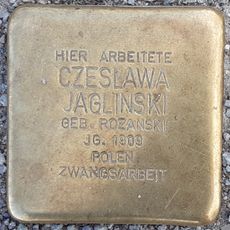
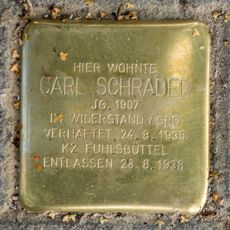
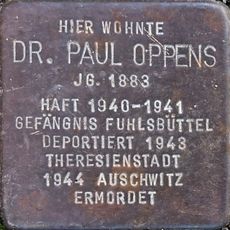
Visitors experience this place primarily as a natural area today, though memorial markers along Federal Road 432 remind them of its difficult past. These monuments shape how people understand the location's history as they move through the landscape.
The area is best reached by public transport, as the nearby Poppenbüttel station connects to bus lines leading to the reserve entrance. Visitors should wear weather-appropriate clothing since the boggy terrain can be wet and muddy, especially after rain.
Ancient wooden pathways crossing the bog date from different periods, including around 330 CE and the 7th century, revealing how long people have used this moorland. These preserved tracks offer insight into early settlement patterns in the region.
The community of curious travelers
AroundUs brings together thousands of curated places, local tips, and hidden gems, enriched daily by 92,749 contributors worldwide.