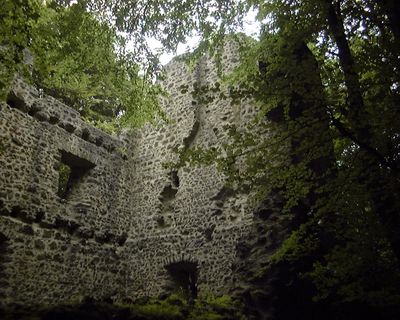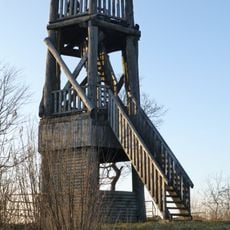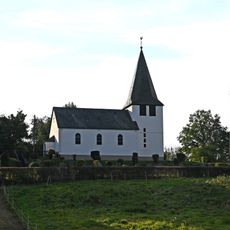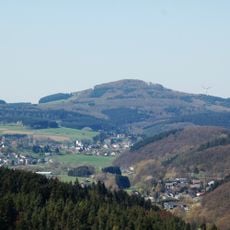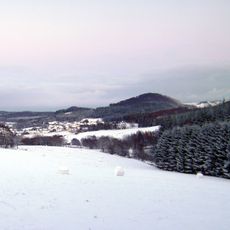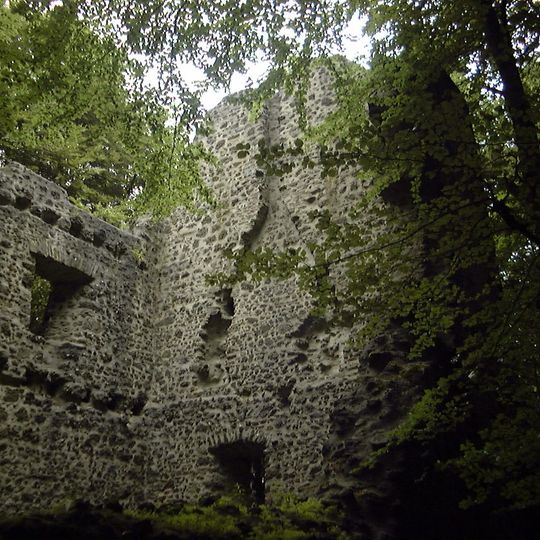
Freudenkoppe, Medieval castle ruin in Daun, Germany.
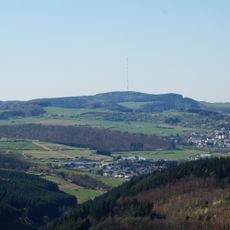
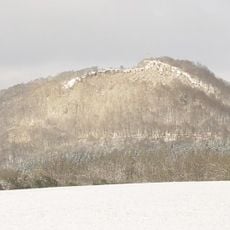
Freudenkoppe is a castle ruin in Daun built on an extinct volcanic cone with a trapezoidal footprint and square keep. The structure sits at about 647 meters (2,123 feet) elevation, surrounded by dry moats carved into the basalt.
King John of Bohemia built the castle between 1337 and 1340 to strengthen his control over the region. Within a decade it passed to Baldwin of Luxembourg in 1346, marking a shift in power over this strategic location.
The name reflects the joyful location perched on the hilltop, a choice that shaped how the castle was built and perceived. Visitors can still sense this medieval settlement through the ruins and how they sit within the surrounding landscape.
The site is open year-round and requires about a 15-minute walk on steep terrain from the nearest forest road. Wear sturdy shoes as the path climbs uphill and can be slippery in wet or snowy conditions.
Beneath the castle walls lie artificial caves created by centuries of millstone quarrying, which continued until 1788. This mining carved out an underground network that shaped how the fortification was built and remains visible to visitors exploring the site.
The community of curious travelers
AroundUs brings together thousands of curated places, local tips, and hidden gems, enriched daily by 91,996 contributors worldwide.