Further Moor, Nature reserve in Langenfeld, Germany
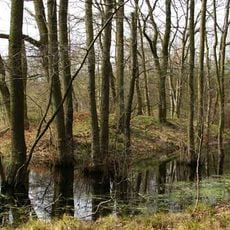
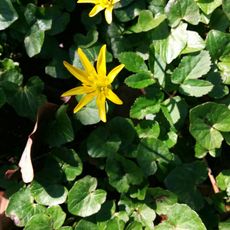
Further Moor is a nature reserve covering 42 hectares of wetland and heath with specialized plants such as narrow-leaved cotton grass, bell heather, and bog lily. The vegetation reflects the wet and acidic soil conditions typical of moorland habitats in this region.
The Further Moor was placed under nature protection in 1936 because of its heath and moorland surface, making it one of the older protected areas in the region. It is the remnant of a once more extensive swamp and marsh landscape at the foot of the Bergisches Land, as shown by the Xanten comparison of 1614 and the Düsseldorf partition treaty of 1624. In those negotiations Brandenburg-Prussia and Pfalz-Neuburg divided the Lower Rhine lands, and the councillors advised Brandenburg to take this area because its marshes could hold off an enemy in wartime. In March 2001 the site was proposed as a area of community importance, and in December 2004 it was recognised as part of Natura 2000.
The moor forms part of the Bergische Heideterrasse landscape system and helps connect several protected areas together. Traditional sheep herding shapes how the land looks and allows plants and small creatures to move between different sections.
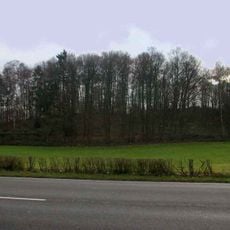
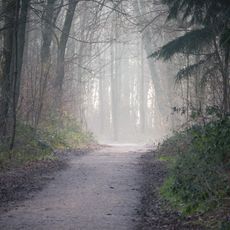
The area is closed to public entry, but you can observe the surrounding landscape from the hiking parking area on Bergische Landstraße near Langenfeld-Immigrath. Bringing binoculars helps you see wildlife and plants from a distance.
The moor's open heath is about 6 hectares and is being enlarged at the expense of the surrounding woodland edge. The reason given by the state environment agency is water: a heath area feeds 30 to 50 percent more water into the groundwater than a wood of the same size.
The community of curious travelers
AroundUs brings together thousands of curated places, local tips, and hidden gems, enriched daily by 93,584 contributors worldwide.