Georgs-Marien-Bergwerks- und Hüttenverein, Steel manufacturing organization in Lower Saxony, Germany.
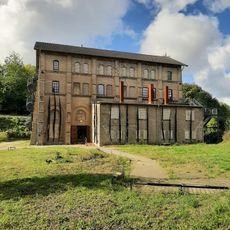
Georgs-Marien-Bergwerks- und Hüttenverein was an organization that produced iron and steel on a large scale near Osnabrück. It operated multiple blast furnaces and connected ore mines with a railway line to transport materials efficiently to its production sites.
The organization was founded in 1856 and named after King George V of Hanover and Queen Marie following the purchase of the Beckeroder foundry. It developed into a major center of iron production in the region during the following decades.
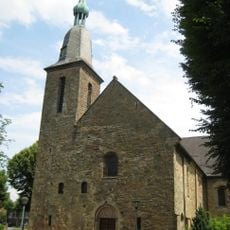
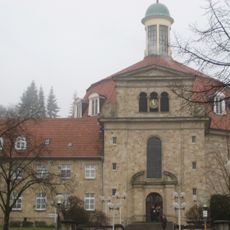
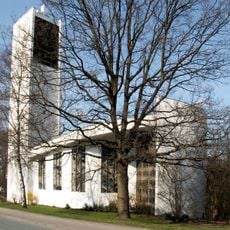
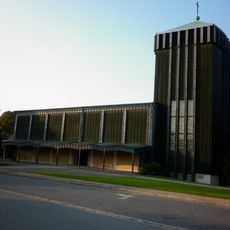
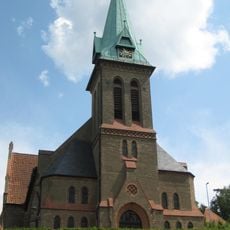
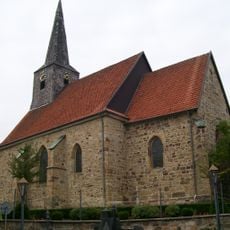
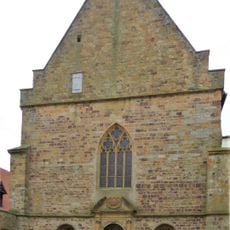
The worker colonies at Osterberg show how the organization shaped living conditions for its employees. The construction of a Lutheran church in 1877 reflects the arrival of Protestant workers from other regions who formed a growing community.
The site was conveniently located with direct rail access to ore mines, which simplified raw material supply. Visitors should know that the facility was situated in the industrial region near Osnabrück and required large areas for blast furnaces and workshops.
The organization began commercial production of mineral wool in 1871 and experienced strong growth afterward. This diversification into a completely new product helped the facility achieve economic stability.
The community of curious travelers
AroundUs brings together thousands of curated places, local tips, and hidden gems, enriched daily by 92,341 contributors worldwide.