Gut Steinberg, human settlement in Germany
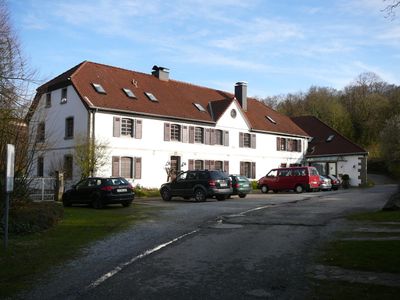
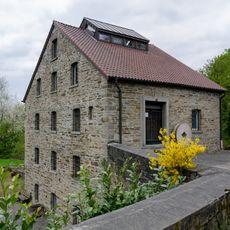
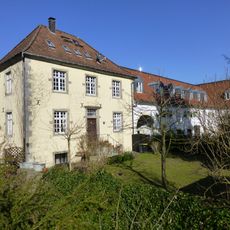
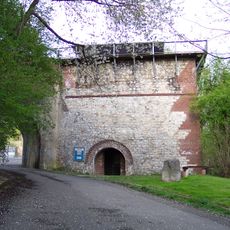
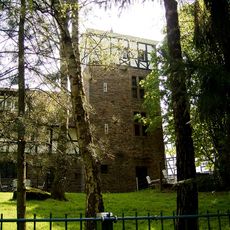
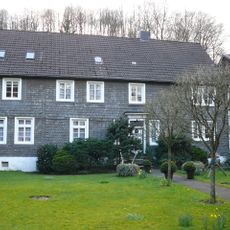
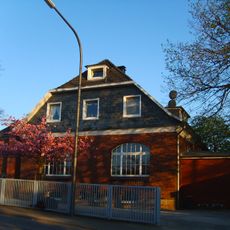
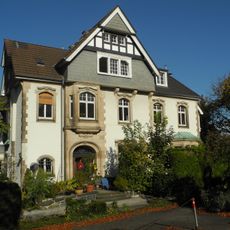
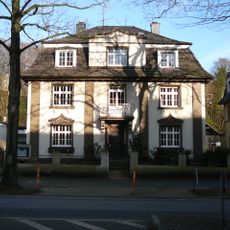
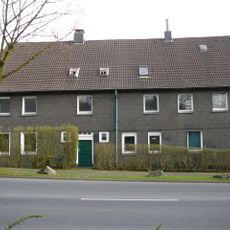
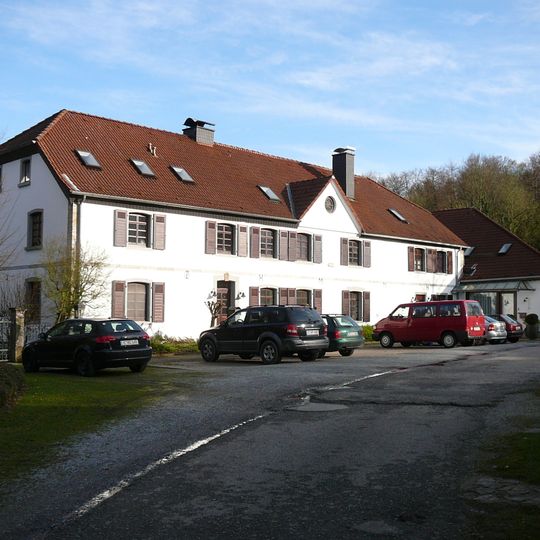
Gut Steinberg is a farm in Wuppertal composed of a main house and agricultural buildings. The two-story stone house was built in 1785 and features five sections with gables, windows with flat arches and shutters, while the barn from 1828 is made of brick with a curved roof.
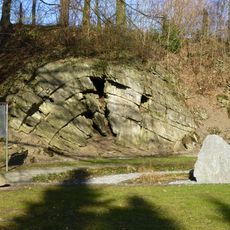
The estate was first mentioned in 1350 and originally belonged to Werden Abbey, which owned land in the area since 1150. The present stone building was erected in 1785 under Anton Oetelshofen using material from a nearby quarry, where trilobite fossils from the Carboniferous period were discovered in 1857.
The estate takes its name from a family that lived and managed the land here for generations. The site shows how rural communities in this region lived and worked across centuries, from farmers to craftspeople who built the stone structures.
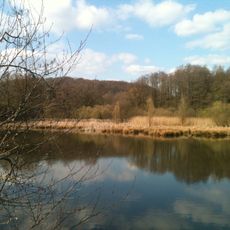
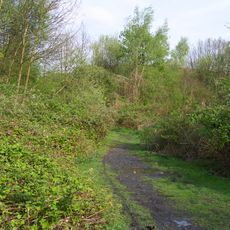
The estate sits at a water divide between the Wupper and Düssel rivers and is today accessible via the popular Eulenkopfweg hiking trail. Visitors can explore the grounds with the old buildings and pond, with informational signs explaining the history and architecture.
A nearby quarry yielded fossil trilobites from the Carboniferous period in 1857, including a species named after the local area of Aprath. This paleontological discovery reveals that the house construction inadvertently opened a chapter in the region's scientific history.
The community of curious travelers
AroundUs brings together thousands of curated places, local tips, and hidden gems, enriched daily by 91,333 contributors worldwide.