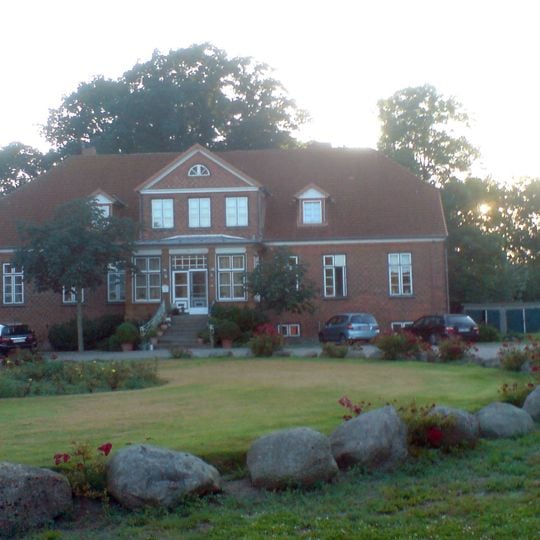
Gut Bülk, Estate in Rendsburg-Eckernförde, Germany
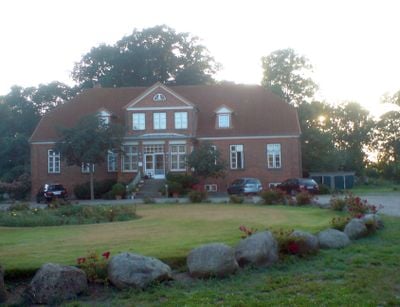
Gut Bülk is a historic estate in Rendsburg-Eckernförde with buildings reflecting traditional northern German architecture set on expansive land. The property includes a main residence, farm buildings, and surrounding agricultural grounds arranged in the classic layout of a regional manor.
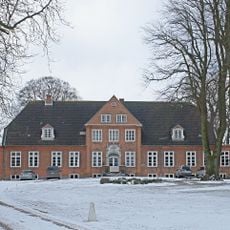
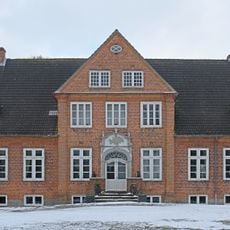
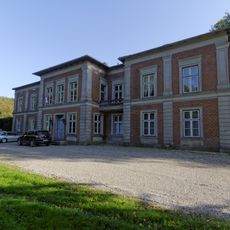
Gut Bülk was first documented in 1304, when the name Bülk or Bülleke covered the whole property from Seekamp and Knoop to Dänisch-Nienhof. From 1414 the Rantzau family owned it; Otto Rantzau rebuilt Schloss Bülk on older foundations, and the castle was demolished in 1796. In 1708 Claus Christoph I. von Thienen established the Ravensbek and Eckhof farms, and his son split the estate into Neu-Bülk, Eckhof and the reduced Alt-Bülk. In 1828 Carl August Rodde bought it for 84,200 Reichsthaler and built the present manor house in 1833.
The name Bülk, written Alt-Bülck in the 18th and 19th centuries, originally covered the whole linked property from Seekamp and Knoop to Dänisch-Nienhof. Since 1718 the reduced estate has been called Alt-Bülk. The Herrenhaus built in 1833 by Carl August Rodde still stands, and the Rodde family held the estate into the 20th century.
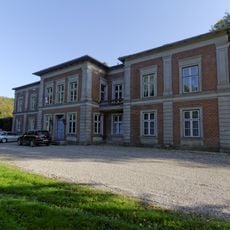
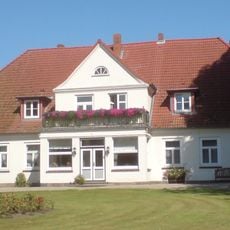
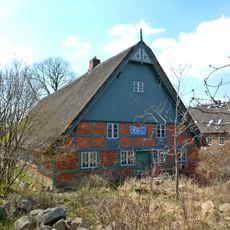
The estate lies in Strande, in the Dänischer Wohld north of Kiel, not near Rendsburg. The current manor house was built in 1833 by Carl August Rodde, while the older buildings were demolished around 1795 and rebuilt about 1.5 km to the northwest. Look for the 1833 house and the relocated farmyard.
The manor house still standing today was built in 1833 by Carl August Rodde, who bought the estate in 1828 for 84,200 Reichsthaler. His descendants, including Albrecht and Hans-Helmut Rodde, kept the property into the 20th century.
The community of curious travelers
AroundUs brings together thousands of curated places, local tips, and hidden gems, enriched daily by 92,659 contributors worldwide.