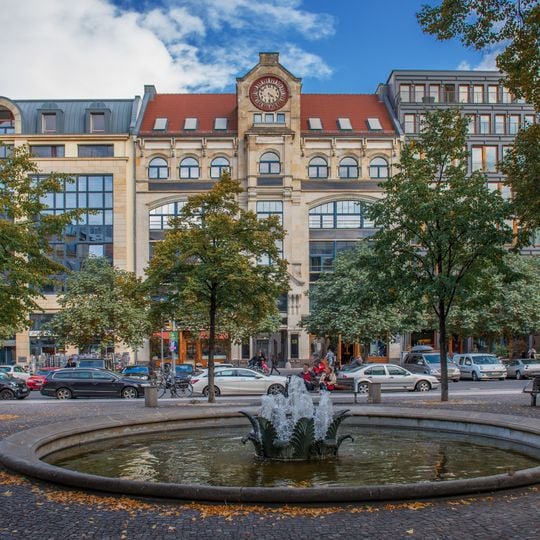
Hausvogteiplatz, Heritage square in Berlin-Mitte, Germany
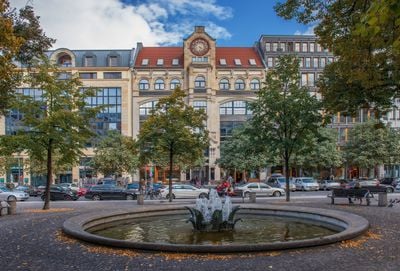
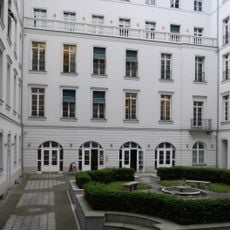
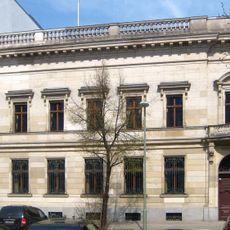
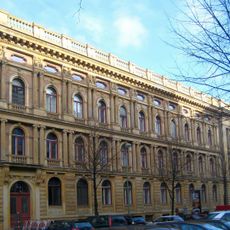
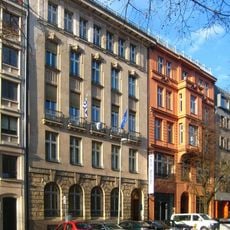
Hausvogteiplatz is a square in Berlin-Mitte with a mix of older buildings and contemporary structures that show different periods of the city's growth. The space is framed by multi-story buildings, with shops and restaurants activating the ground level.
The square emerged in the 1720s–1730s on the site of Bastion III after Berlin's 17th-century ramparts were partly levelled. It was named Jerusalemsplatz in 1750, when Frederick II moved the royal court (Hausvogtei) to its east side, and took its present name in 1789. The Hausvogtei prison, which held court servants and Berlin's Jews, stood here until its demolition in 1891.
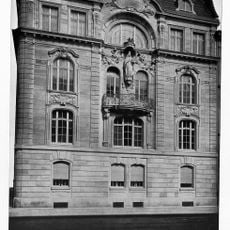
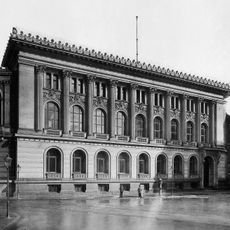
The square became the heart of Berlin's fashion trade in the 19th century, when clothing manufacturers and textile companies filled the surrounding buildings. This industry shaped how people used and moved through the space for many decades.
The square is easily reached via the U2 subway station, which provides direct access to the area. Restaurants, cafes, and shops surrounding the square make it simple to spend time exploring and dining nearby.
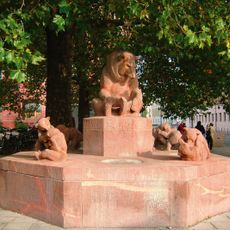
The Denkzeichen Modezentrum Hausvogteiplatz on the square commemorates the Berlin clothing industry that surrounded it; the memorial's date is not given in the sources. The square's popular name Schinkenplatz survived into the late 19th century, explained by its shape, by meat sales there, or by the nearby Schinkenbrücke.
The community of curious travelers
AroundUs brings together thousands of curated places, local tips, and hidden gems, enriched daily by 92,664 contributors worldwide.