Heidenschanze, Prehistoric hillfort in Dresden, Germany
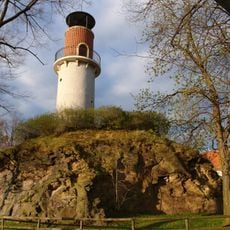
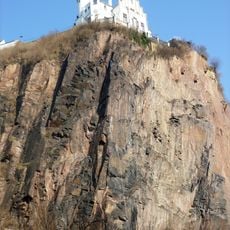
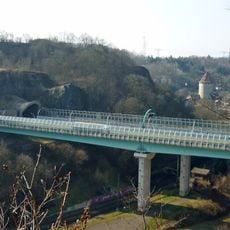
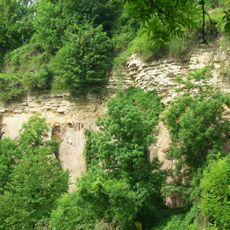
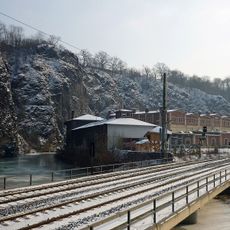
Heidenschanze is a prehistoric hillfort on a monzonite rock spur about 90 metres above the Plauenscher Grund near Coschütz, between Dresden and Freital. Its surviving rampart, built of timber boxes filled with earth and stones, still rises up to eleven metres, with a ditch in front. The interior was terraced and densely built up, and the A17 motorway now passes beneath the site in the Coschützer Tunnel.
The site was already used around 5000 BC, as a hoard from the Linear Pottery period shows. The rampart existed between 1200 and 500 BC, and around 800 BC a roughly 70-metre-long wall closed the only unprotected approach. After a settlement gap of about 1400 years, Slavs reoccupied the hill from the 9th century; Hungarian arrowheads found here are linked to raids between 905 and 933.
The name Heidenschanze ("heathen rampart") was given by later German speakers to a fortification built long before Christianity. Excavations found four Bronze Age hoards on the grounds, and the site's metalworking, pottery and bone tools are shown at the State Museum of Archaeology in Chemnitz.
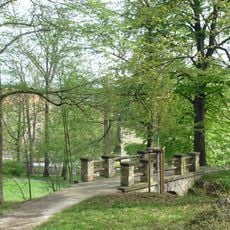
The site is accessible via several marked hiking trails that wind through the hills around Coschutz. Visitors should wear sturdy shoes since the ground surfaces are uneven and can be slippery after rain.
The site is a prehistoric hillfort, not a medieval castle: its rampart stood between roughly 1200 and 500 BC, and around 1000 BC a fire heated the sandstone beneath it until it turned reddish. The Bundesautobahn 17 now passes beneath the hill in the Coschütz tunnel.
The community of curious travelers
AroundUs brings together thousands of curated places, local tips, and hidden gems, enriched daily by 94,532 contributors worldwide.