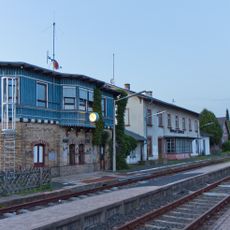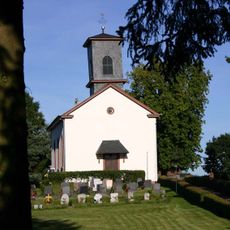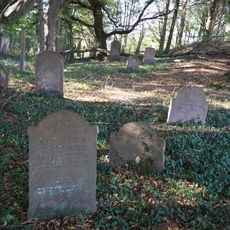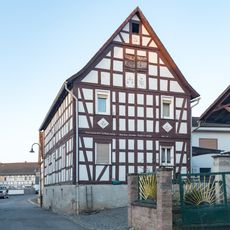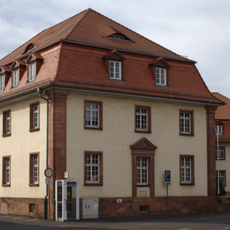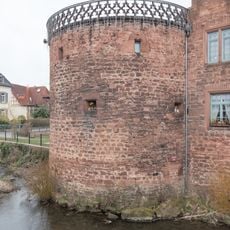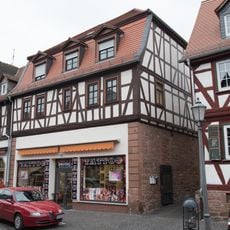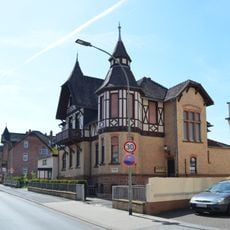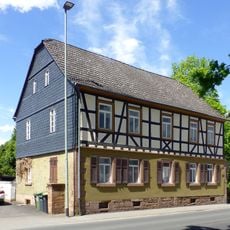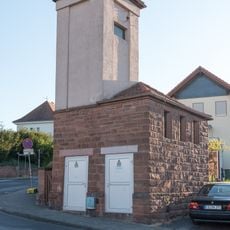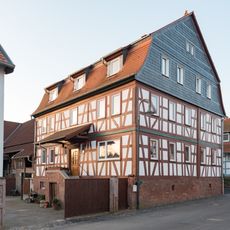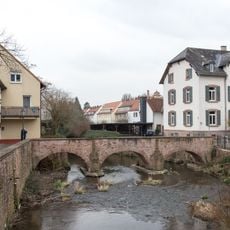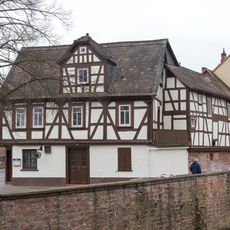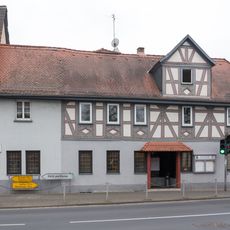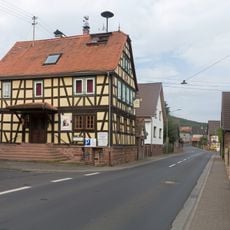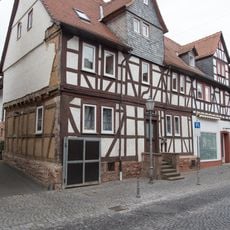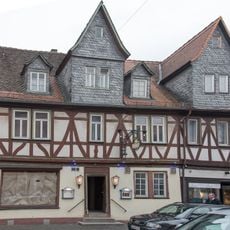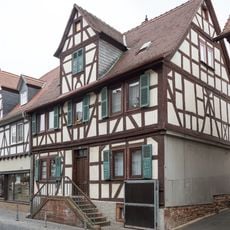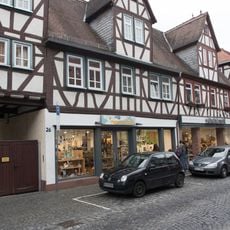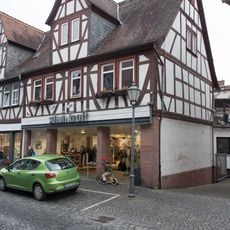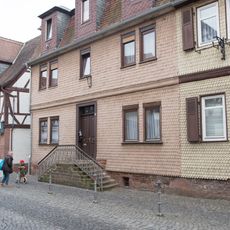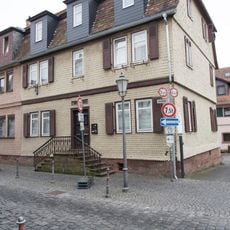
Herrnhaag, Cultural heritage monument in Büdingen, Germany.
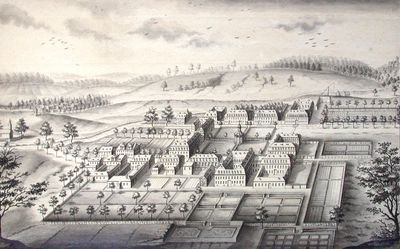
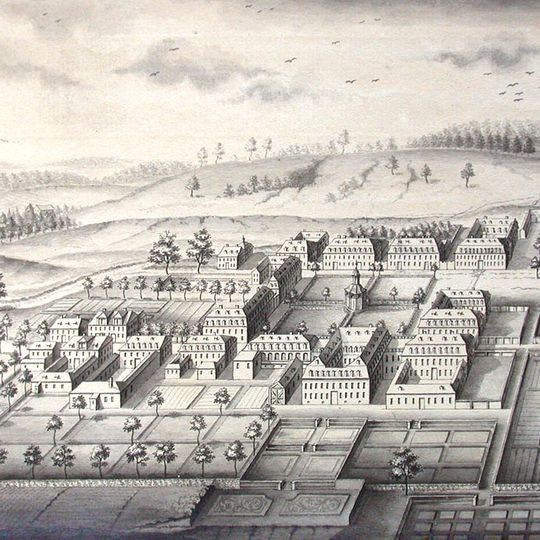
Herrnhaag is a settlement built around a central well, with residential buildings and a worship hall called Saal arranged in a circular layout. The spatial arrangement was designed intentionally to reflect the religious ideals of the community that lived there.
It was founded in 1738 under the direction of Nicolaus Ludwig von Zinzendorf as a spiritual center for the Moravian Brethren community. The settlement embodied the ideals of a pietistic religious movement that valued communal living and spiritual devotion.
The settlement was organized as a tight-knit religious community where members participated in ceremonies and celebrations organized by their age group and marital status. This structured communal life shaped daily routines and left visible traces in how the buildings relate to each other.
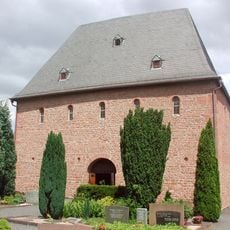
Parts of the settlement are open for visitors to explore, including the restored Lichtenburg building and the Saal chapel with its original interior spaces. The layout itself serves as a guide to understanding how the community was organized.
The settlement was designed following the description of the New Jerusalem from the Book of Revelation, originally featuring twelve gates as a symbolic reference. The central well served both practical needs and represented the life-giving water mentioned in that biblical vision.
The community of curious travelers
AroundUs brings together thousands of curated places, local tips, and hidden gems, enriched daily by 90,891 contributors worldwide.