Rustwerder, Nature reserve on the Boiensdorfer peninsula, Germany
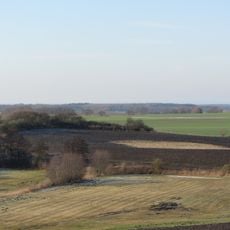
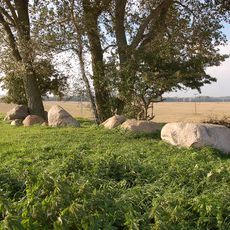
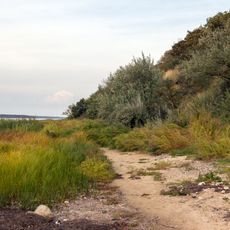
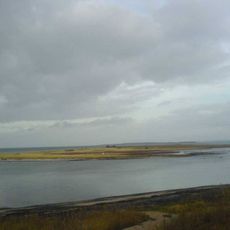
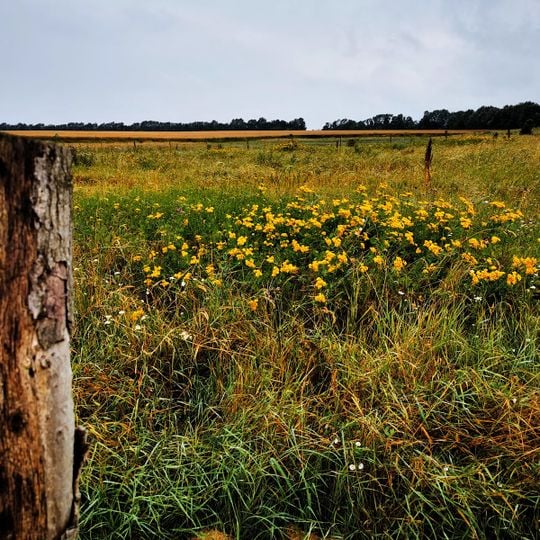
Rustwerder is a 20-hectare nature reserve on the Boiensdorfer Werder peninsula on the Wismarbucht in Mecklenburg-Vorpommern, Germany. It protects a strandhaken, a sand spit shaped by coastal sediment transport, together with salt grasslands that have been grazed for centuries. The flat terrain lies just above the waterline.
The reserve was established in 1971 to protect a coastal landform called a strandhaken, a ridge of land built up by sand moving along the shore over a long time. The salt meadows inside the reserve had already been used as grazing land for centuries before that protection came into place.
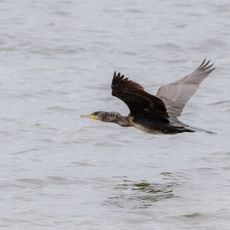
The salt meadows at Rustwerder have been grazed for centuries, and that grazing is what keeps them open and low rather than scrub-covered. The reserve is a breeding site for numerous bird species, which nest in these meadows. Visitors should keep to the paths so the nesting birds are not disturbed.
The reserve is reached on foot, and staying on marked paths helps protect the nesting birds and other wildlife from disturbance. A nearby campsite brings more people to the area on some days, so early morning tends to be the best time for a visit.
Since 2009, part of the land has been owned by the NABU Foundation, which actively monitors and cares for the habitat. The strandhaken landform at the heart of the reserve keeps changing shape as wind and water move sand along the coast, meaning the shoreline looks a little different each time you visit.
The community of curious travelers
AroundUs brings together thousands of curated places, local tips, and hidden gems, enriched daily by 94,381 contributors worldwide.