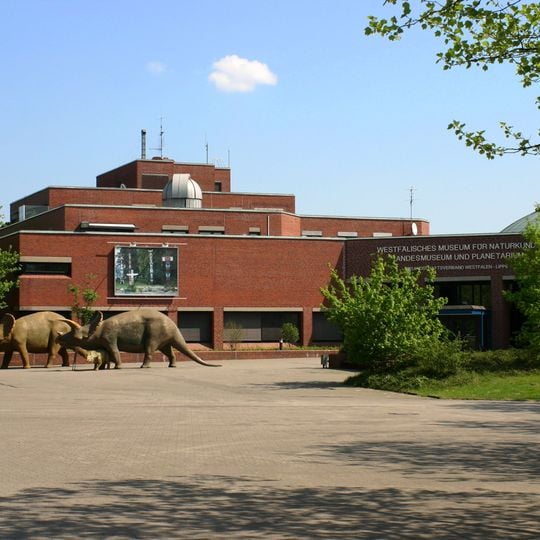
Westphalian Museum of Natural History, Natural history museum in Münster, Germany.
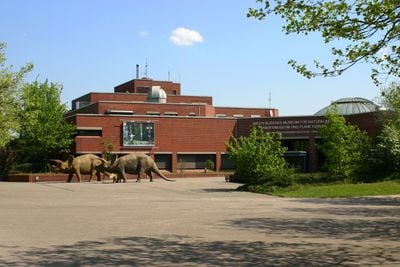
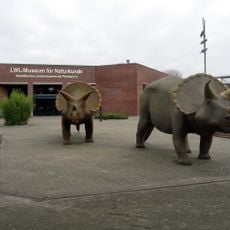
The Westphalian Museum of Natural History is a natural history museum in Münster that displays many exhibits about Earth's history and the development of life. The building houses lifelike dinosaur reconstructions, complete skeletons of extinct species, and extensive collections of fossils and minerals from various periods.
The institution was founded in 1892 as a scientific facility dedicated to researching and displaying natural specimens. Over more than a century, it expanded its collections and became an important educational site for studying natural history.
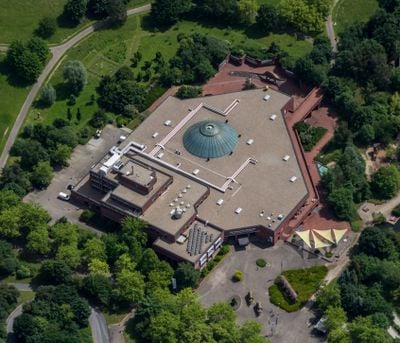
The planetarium offers regular shows about astronomy and space exploration that connect visitors with scientific discoveries. These programs appeal to people of all ages who want to learn more about the night sky.
The museum is located near central Münster and is easily accessible by public transportation. Visitors should plan for several hours to comfortably explore the various exhibition areas.
The museum houses one of the world's largest ammonite fossils, a spiral-shaped sea creature from prehistoric times with a diameter of about 1.8 meters (6 feet). This remarkable specimen is among the collection's most valuable pieces and draws special attention from visitors.
The community of curious travelers
AroundUs brings together thousands of curated places, local tips, and hidden gems, enriched daily by 92,641 contributors worldwide.