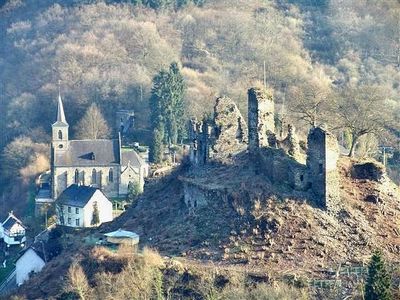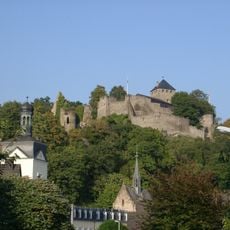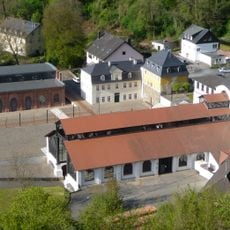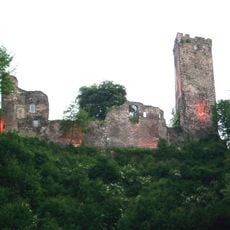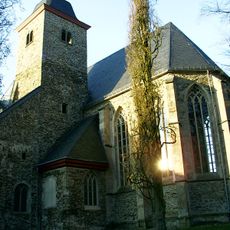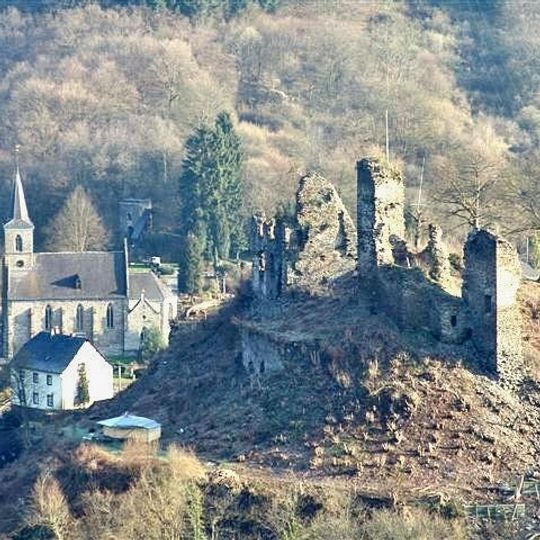
Isenburg, Medieval castle ruins near Hartenstein, Germany.
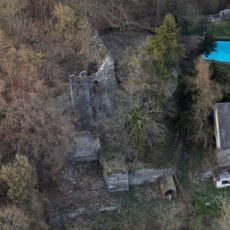
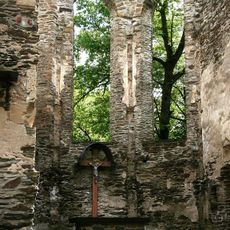
Isenburg is a medieval castle ruin perched on a rocky spur above the Zwickauer Mulde river, marked by thick stone walls and a round central tower. The remains show segments of the fortification that still convey the original structure of this defensive installation.
The castle was built in the 12th century as a defensive fortification and had become a ruin by the 14th century. Over the following centuries, it served as temporary shelter for various people during regional conflicts before being abandoned altogether.
The name Isenburg comes from "Vas" and reflects the iron ore mining that shaped this region of the Ore Mountains during the Middle Ages. Walking through the ruins, you can sense the economic importance this place once held for local communities.
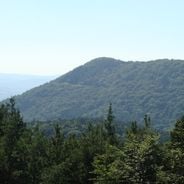
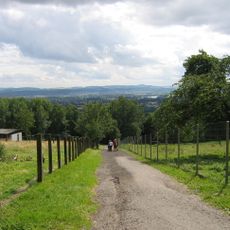
The castle ruins are reached from Hartenstein railway station via marked paths through the Poppenwald woodlands, a walk of roughly 30 minutes. There is no built infrastructure at the site itself, so sturdy footwear and fair weather make the visit more comfortable.
The walls display a distinctive building technique that combines horizontal layers of brick with stone blocks arranged in a herringbone pattern. This method was a recognizable hallmark of local craftsmanship traditions in that era.
Location: Isenburg
GPS coordinates: 50.47620,7.59106
Latest update: December 6, 2025 17:42
Rhineland-Palatinate preserves centuries of European fortification architecture across a region shaped by river valleys and forested highlands. Medieval castles like Eltz Castle rise above the Moselle loop at Bremm, while Pfalzgrafenstein Castle sits on a Rhine island at Kaub, where it once controlled river traffic. Roman foundations lie beneath later structures such as Limburg Monastery near Bad Dürkheim, and Romanesque abbeys like Maria Laach demonstrate monastic design from the 11th century. The landscape ranges from the Teufelsfels rock formation in the Hunsrück to the ruins of Hardenburg, among the largest fortress complexes in the state. From the Rhine Valley with Stolzenfels Castle and the Loreley to the Palatinate fortresses of Hambach and Trifels, these sites document the region's strategic importance. Pyrmont Castle stands beside a waterfall near Roes, while the ruins of Frankenstein Castle near Kaiserslautern show medieval defensive works. Natural formations like the Kaltwasser Geysir at Andernach and the Geierlay Suspension Bridge at Mörsdorf complement the historical structures, providing access to the geological features between the Rhine, Moselle and Nahe rivers.
Zoo Neuwied
3.3 km
Schloss Sayn
4.3 km
Sayn Castle
4.2 km
Sayner Hütte
4 km
Grenzau Castle
5.4 km
Abtei Rommersdorf
4.4 km
Jagdschloss Sayneck
1.4 km
Keramikmuseum Westerwald
6 km
Burg Braunsberg
5.3 km
Sayn Abbey
4.2 km
Engers station
6.4 km
Wallfahrtskapelle Hausenborn
1 km
St. Medardus
6.1 km
Sender Bendorf-Vierwindenhöhe
6.6 km
St. Martin
6.8 km
Mariä Himmelfahrt
5.4 km
Evangelische Kirche (Engers)
6.6 km
Kloster Wülfersberg
4.8 km
Evangelical Church
6.3 km
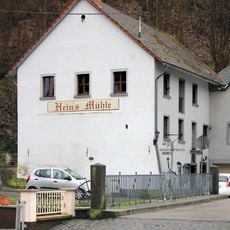
Hein’s Mühle
4.4 km
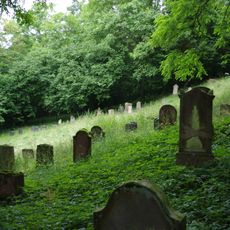
Jüdischer Friedhof
4.8 km
Jüdischer Friedhof (Bendorf)
5.3 km
St. Bonifatius
4.4 km
Hauptstraße 111
4.7 km
Wasserturm Großmaischeid
4.4 km
Jewish cemetery, Grenzhausen
5.3 km
Meerheck
6.4 km
St. Wendelinus
4 kmReviews
Visited this place? Tap the stars to rate it and share your experience / photos with the community! Try now! You can cancel it anytime.
Discover hidden gems everywhere you go!
From secret cafés to breathtaking viewpoints, skip the crowded tourist spots and find places that match your style. Our app makes it easy with voice search, smart filtering, route optimization, and insider tips from travelers worldwide. Download now for the complete mobile experience.
A unique approach to discovering new places❞
— Le Figaro
All the places worth exploring❞
— France Info
A tailor-made excursion in just a few clicks❞
— 20 Minutes