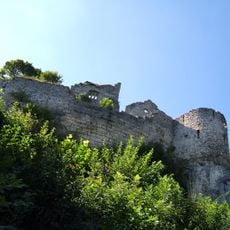
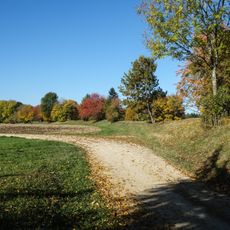
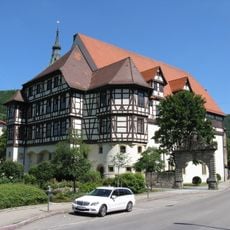
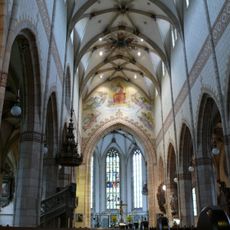
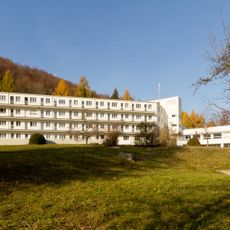
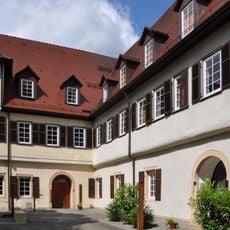
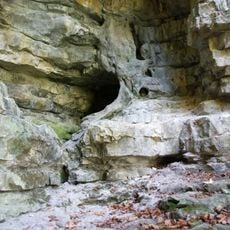
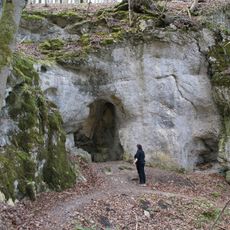
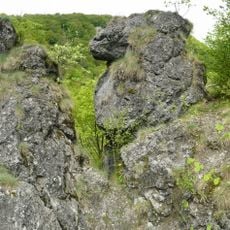
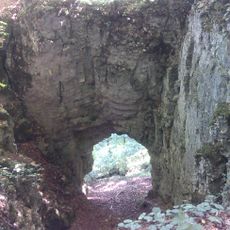
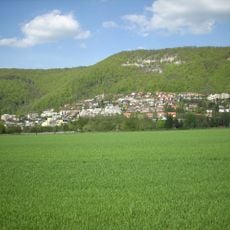
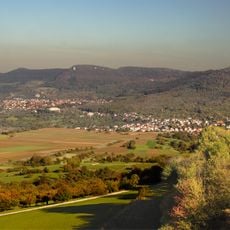
Suabian Volcano, Volcanic region in Bad Urach, Germany.
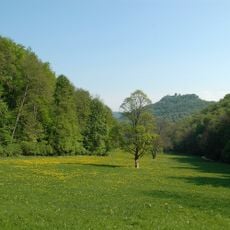
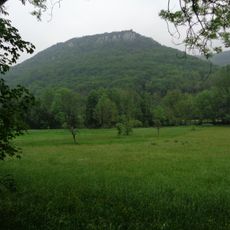
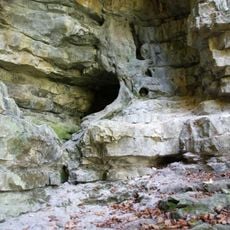
The Suabian Volcano is a geological region in the Swabian Jura with around 356 eruption sites spread across a radius of roughly 25 kilometers. The landscape displays various craters and tuff deposits that are accessible when walking through the area.
The area formed roughly 17 to 11 million years ago during the Upper Miocene period through intensive volcanic activity. This period shaped the characteristic basalt tuff layers that are visible in the landscape today.
Local people have used these volcanic hills as landmarks and starting points for walks for generations. The formations hold a special place in how Swabian residents connect with their surrounding landscape.
Several walking trails run through the area and connect different geological points like the Randecker Maar and Konradfels. The paths are walkable year-round, but spring and autumn offer the best conditions for exploring.
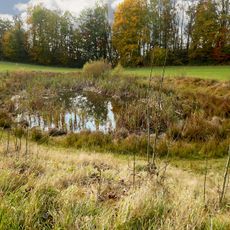
The many natural depressions and hollows in this terrain were created by volcanic eruptions and collected water over millennia. These natural basins were valuable for early settlers to provide for livestock and find water in the otherwise dry limestone landscape.
The community of curious travelers
AroundUs brings together thousands of curated places, local tips, and hidden gems, enriched daily by 92,781 contributors worldwide.