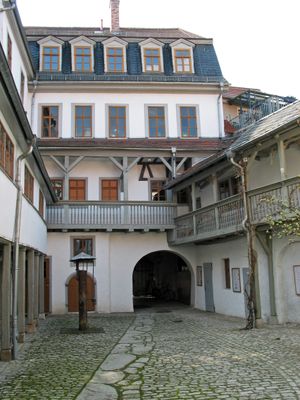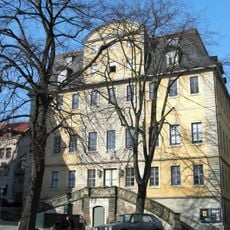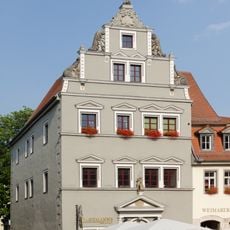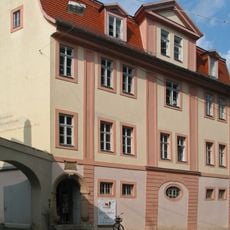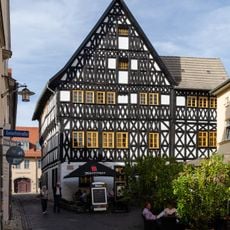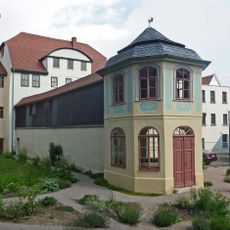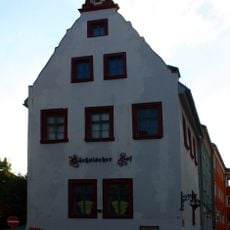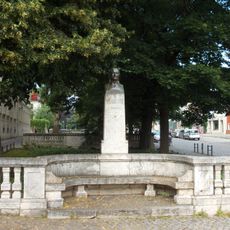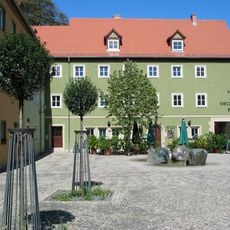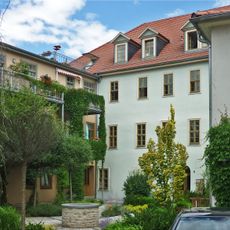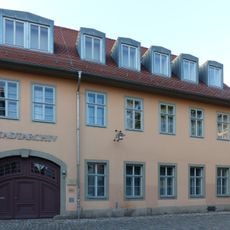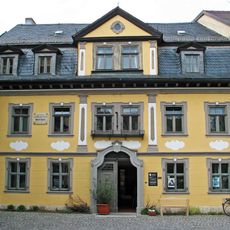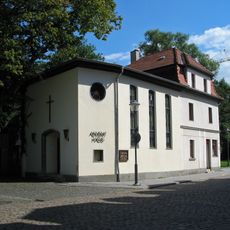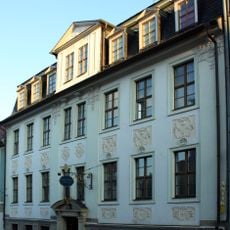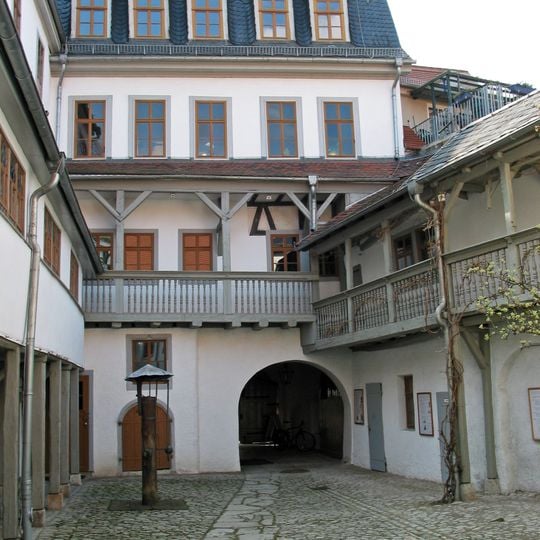
Kirms-Krackow-House, 16th-century residence in Weimar, Germany.
The Kirms-Krackow-House is a residential building from the 16th century in Weimar's old town, to which a Baroque garden pavilion was added at a later date. The interior rooms remain furnished with objects from the early 1800s and have not been significantly altered since then.
The house was built in the 16th century and later became the property of Franz Kirms, a court counselor who was close to Goethe and other figures of the Weimar Classical period. After his death, the Krackow family took ownership and kept the interior largely as it was.
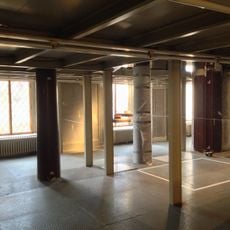
The furnished rooms show how a prosperous middle-class family in early 19th-century Weimar arranged their daily life, from the parlor to the sleeping quarters. The objects on display are not behind glass, which gives the visit a domestic feel rather than that of a traditional museum.
The house is open from Tuesday to Sunday and is run by a local museum that usually offers guided tours. The rooms can be narrow and the floors are original, so flat and sturdy footwear makes the visit more comfortable.
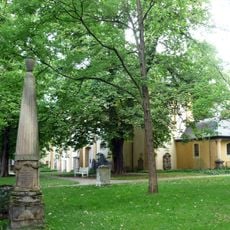
The garden behind the house was laid out around 1800 and is still planted according to the same principles, making it one of the few surviving examples of that type of garden design in Germany. Looking closely at the plant combinations reveals choices that would be unusual in any garden today.
The community of curious travelers
AroundUs brings together thousands of curated places, local tips, and hidden gems, enriched daily by 60,000 contributors worldwide.