Jacobsfriedhof Weimar, Historic cemetery in Weimar, Germany
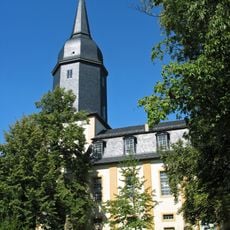
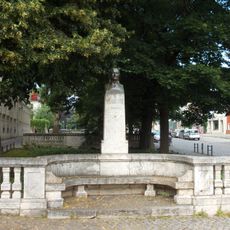
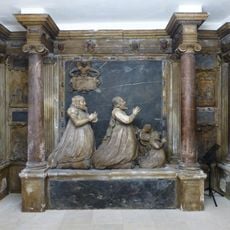
Jacobsfriedhof is a historic burial ground in Weimar that spreads around the Jakobskirche with ornate gravestones and monuments of varying designs. Winding paths guide visitors through landscaped areas, passing graves arranged in sections that reflect different periods.
The first burials here date to the 12th century, making it Weimar's oldest surviving burial ground. From 1530 to 1818 it was the city's only cemetery; after the new cemetery before the Frauentor opened in 1818, many graves were levelled. Burials ceased in 1840, and around 1927 the city turned the site into a garden.
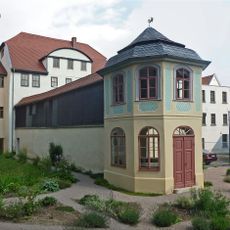
The name Kassengewölbe comes from the Landeskasse, the state exchequer that owned the vault from 1742. Burials there from 1755 to 1823 included Luise von Göchhausen, lady-in-waiting to Anna Amalia, and the parents of Charlotte von Stein. Because Schiller was interred there in 1805, the mausoleum is also called the Schiller-Gruft.
The grounds are part of the Klassik Stiftung Weimar and were converted into a garden layout around 1927, so paths now run between lawn areas and the surviving graves. The Kassengewölbe stands at the south-eastern edge of the plot, by the Jakobskirche; the oldest named grave, that of Barbara Strigel (died 1552), is among the markers to look for.
The Kassengewölbe is often called the Schiller Vault: Schiller's remains were placed here after his death in 1805, retrieved in 1826 and moved in 1827 to the Fürstengruft. A 2008 DNA analysis showed the bones in that coffin were not his, so it stands empty beside Goethe's.
The community of curious travelers
AroundUs brings together thousands of curated places, local tips, and hidden gems, enriched daily by 93,676 contributors worldwide.