Spreetunnel Stralau-Treptow, Underground tramway tunnel beneath the Spree River in Berlin, Germany
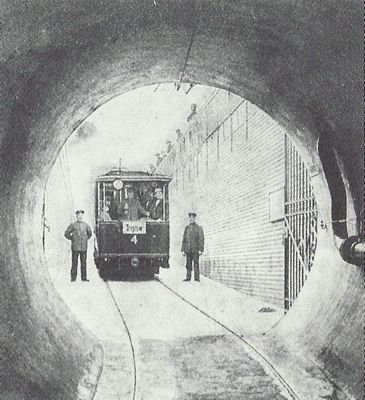
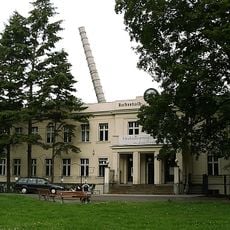
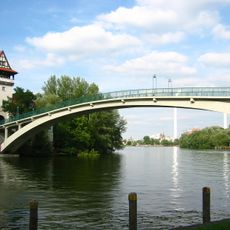
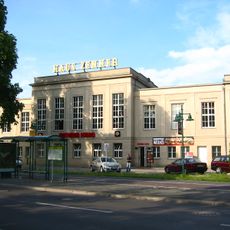
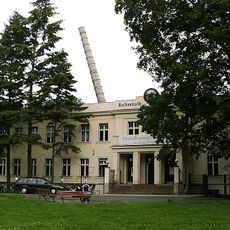
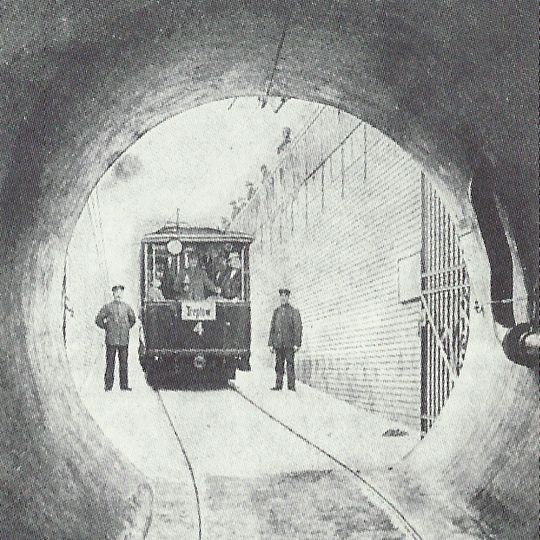
The Spreetunnel Stralau-Treptow is a 454-meter single-track tunnel running 12 meters below the Spree River, connecting the Stralauer Peninsula with Treptower Park. The structure includes entry points, platforms, and the preserved elements from its operational period beneath the water.
Construction took place between 1895 and 1899 and marked Germany's first use of the shield driving method for underwater tunnel building. Operation ceased in 1932 due to structural damage, and the tunnel was later converted into an air raid shelter during World War II.
The tunnel was known locally as the 'Knüppelbahn' because drivers exchanged wooden sticks at station entrances to control traffic flow. This unusual system made the route a distinctive part of Berlin's transport history.
The tunnel is accessible to visitors today and shows engineering techniques from the late 1800s as well as later modifications made during the war. The best time to visit is in good weather, when the industrial setting and structural details are most visible.
During 1996 inspections, workers discovered a remarkably preserved air raid shelter section with original furnishings and equipment from the 1940s. This finding provided rare insight into how people adapted this space for protection during bombing raids.
The community of curious travelers
AroundUs brings together thousands of curated places, local tips, and hidden gems, enriched daily by 90,832 contributors worldwide.