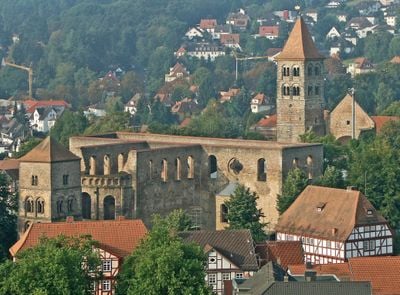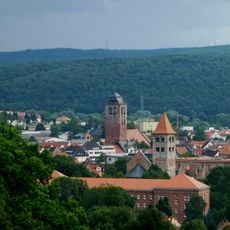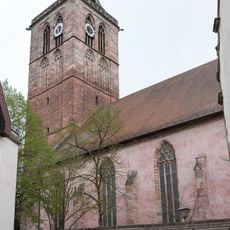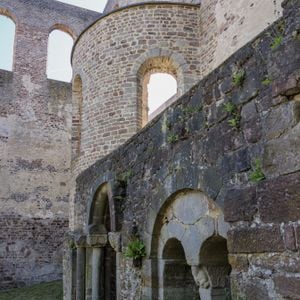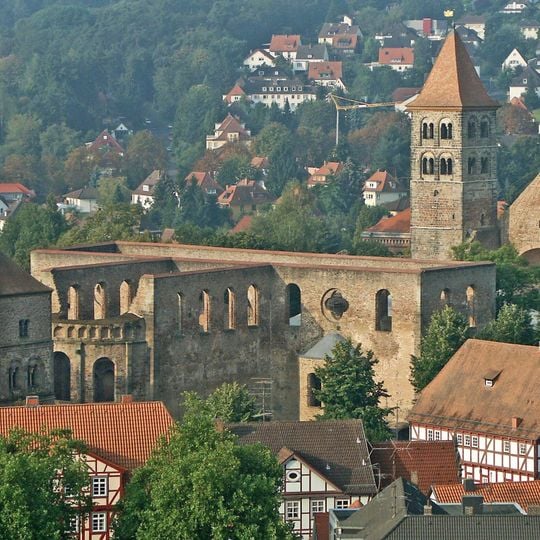
Stiftsruine Bad Hersfeld, Romanesque church ruins in Bad Hersfeld, Germany
The Stiftsruine Bad Hersfeld is a Romanesque church ruin recognized as the largest of its kind in the world. Its preserved walls and columns stretch across an expansive area, revealing the original scale and grandeur of what once stood here.
The abbey was founded in 769 as a Benedictine monastery under Archbishop Lullus and underwent several reconstructions over the centuries. Its destruction came during the Seven Years' War in 1761, after which it remained a ruin rather than being rebuilt.
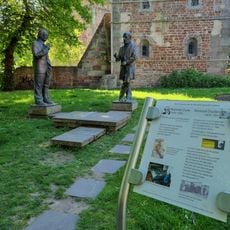
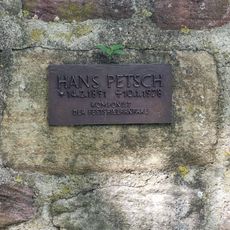
Since 1951, the ruins host the Bad Hersfelder Festspiele, an annual festival where theater productions and concerts unfold against the dramatic backdrop of medieval walls between July and September. The site has become a living stage where performance and history merge.
The site is open and accessible, with informational displays explaining the history and features of the ruins. Guided tours are available for visitors seeking detailed insights into the architecture and the abbey's former role.
The Katharinenturm tower contains the Lullusbell from 1038, one of the oldest bells still in active use in Germany. It rings on special religious occasions, connecting visitors today with a thousand years of tradition.
The community of curious travelers
AroundUs brings together thousands of curated places, local tips, and hidden gems, enriched daily by 91,181 contributors worldwide.