Trudenstein, Rock formation in Germany
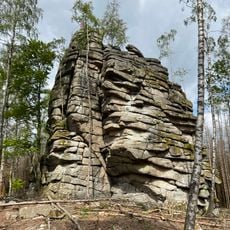
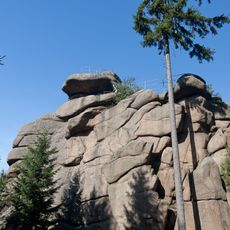
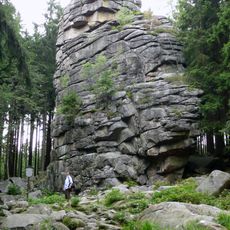
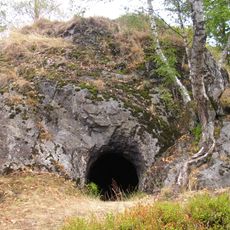
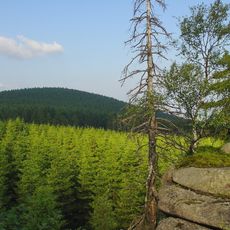
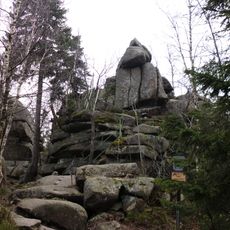
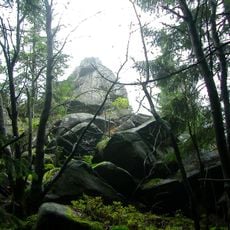
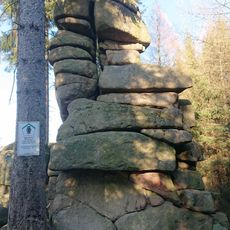
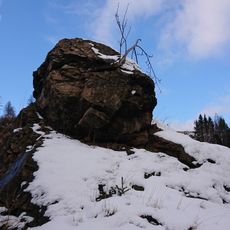
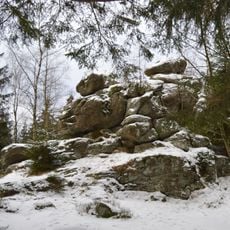
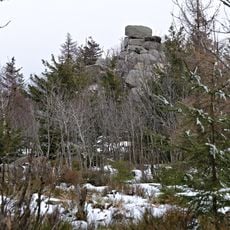
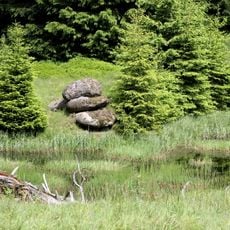
The Trudenstein is a granite rock formation in the Harz Mountains south of Hohnekopf near Schierke, reaching an elevation of about 735 meters. The rocks display characteristic features of exfoliation weathering with nearly rectangular blocks and striking overhanging structures that appear sculpted by hand but formed entirely through natural processes.
The rock formation shaped the landscape of the Upper Harz through geological processes over millennia. In 1894 a ladder was installed to make the summit accessible, and since then it has become part of a hiking checkpoint network called the Harzer Wandernadel, designated as checkpoint number 17.
The name Trudenstein comes from the rocks' shape, which locals say resembles a drude, an old German figure from folklore similar to a witch. This interpretation remains part of local stories today and shapes how visitors experience these mysterious rock formations.
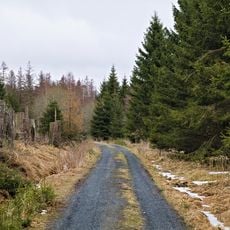
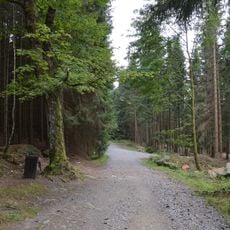
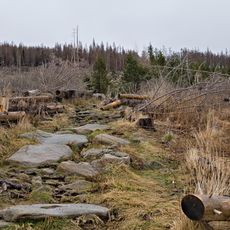
The Trudenstein is easily reached from the nearby villages of Drei Annen Hohne or Schierke and sits directly on the Glashüttenweg trail with a rest area featuring a table and benches. A installed ladder enables the summit ascent but requires some fitness and becomes slippery in wet weather.
The artist Caspar David Friedrich drew the Trudenstein in 1811 and may have been inspired by the rock shapes for his famous painting Der Watzmann. This connection to a masterpiece of German Romanticism makes the site far more than just a geological landmark.
The community of curious travelers
AroundUs brings together thousands of curated places, local tips, and hidden gems, enriched daily by 92,811 contributors worldwide.