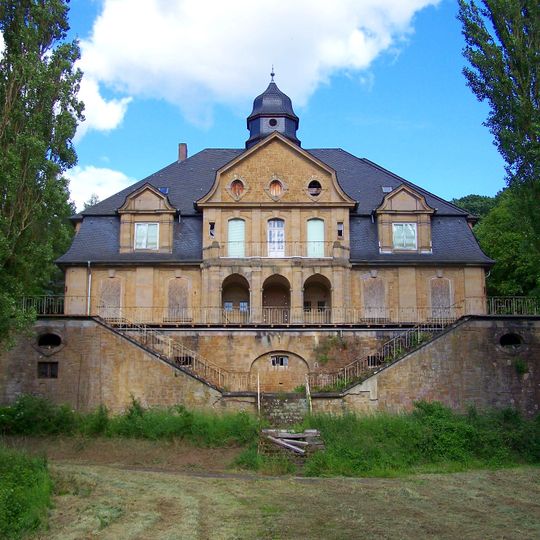
Viktoriastift, Neo-baroque estate in Finkenbach-Gersweiler, Germany
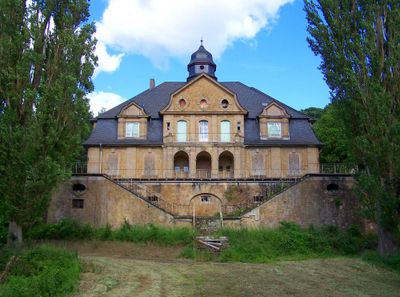
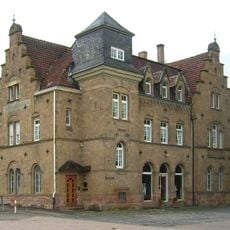
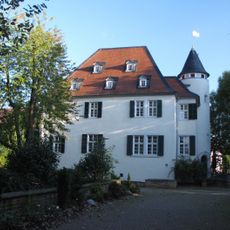
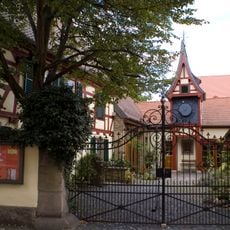
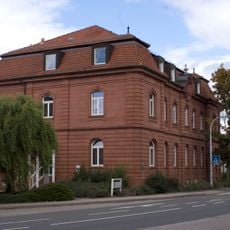
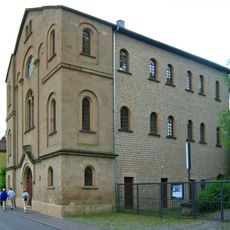
The Viktoriastift is a neo-baroque estate with three multi-story buildings, a large barn, and administrative structures at the northern edge of Finkenbach-Gersweiler. The complex features outdoor spaces with playgrounds and treatment facilities that supported its operation as a recovery institution.
Built between 1919 and 1922 to designs by architect August Greifzu for merchant Heinrich Lieser, the complex originated as a model farm. From 1926 it operated as a Protestant children's recovery home, later serving as a maternity facility and nursing residence.
The hexagonal tower and symmetrical three-wing layout reflect early 20th-century ideals for recovery facilities. This architectural language shows how the building was designed to embody progressive social values of its time.
The estate can be accessed from the northern end of Finkenbach-Gersweiler and viewed from the outside. Visitors should know that it has been vacant since 1971 and is protected as a historic monument, so access may be limited.
The building passed through four distinct functional phases from farming to elder care, reflecting its adaptive role across decades. This transformation from a private estate to a public institution reveals shifts in social priorities during the 20th century.
The community of curious travelers
AroundUs brings together thousands of curated places, local tips, and hidden gems, enriched daily by 91,596 contributors worldwide.