Wildenstein - Hexenturm, Medieval castle ruin in Leibertingen, Germany
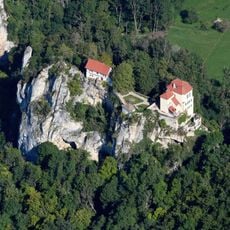
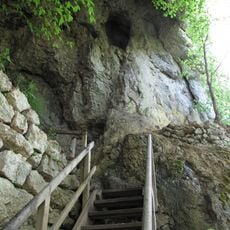
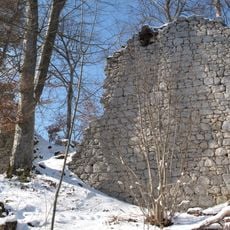
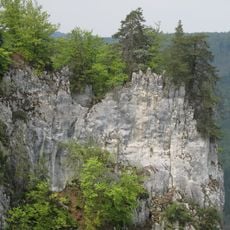
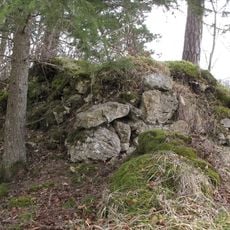
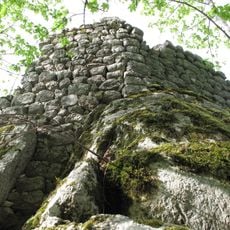
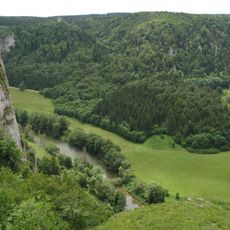
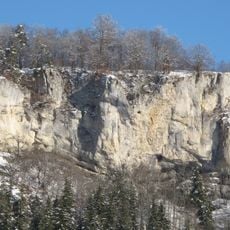
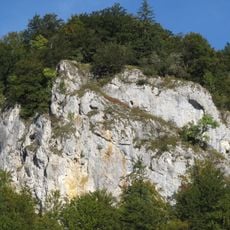
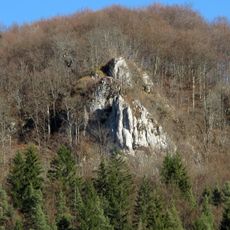
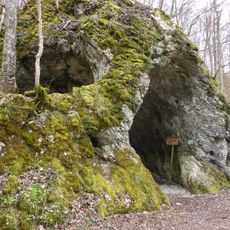
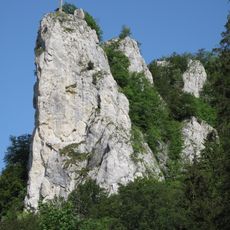
The Hexenturm is the ruined upper castle of the Wildenstein double castle, a free-noble rock fortress north of Leibertingen in Baden-Württemberg. Its core masonry of bossed ashlar blocks survives on a steep rock tooth at about 770 m, while the lower castle lies at about 730 m and opens eastward into a castle cave that formed the centre of the site.
The lords of Wildenstein are first documented in Salem Abbey charters between 1168 and 1174. Around 1200 the upper castle, the Hexenturm, was built, probably replacing an earlier structure; a shared founding of the upper and lower castles between 1100 and 1150 cannot be ruled out. The new Wildenstein castle followed in the 13th century, and the old castle was given up as a residence only around 1400.
The name Hexenturm, "witches' tower", comes from a legend: during the witch trials the castle supposedly served as a prison for women accused of witchcraft from the surrounding area. The tale says a crumbling bridge collapsed before an execution and the women starved, and that lightning soon shattered the castle. The ruins themselves hold no murals or furnishings.
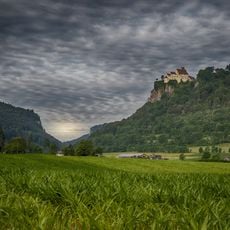
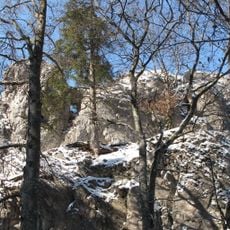
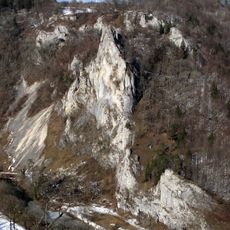
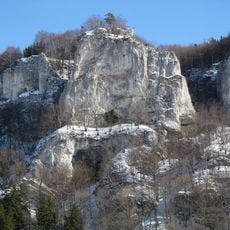
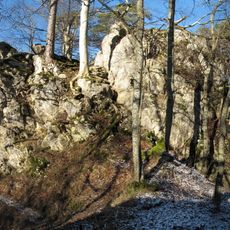
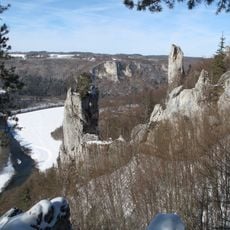
The ruins sit on a steep rock spur at about 770 m, southwest of Wildenstein Castle, and are not accessible; the remains can only be viewed from outside. The upper castle keeps fragments of bossed ashlar masonry, while the lower castle preserves a section of wall on its steep north side and a large rock shaft.
The name Hexenturm (Witches' Tower) comes from a legend: during the witch trials the castle supposedly served as a prison for women accused of witchcraft from the surrounding area. According to the tale, a dilapidated bridge collapsed before an execution and the women starved to death; shortly afterwards the castle was struck by lightning.
The community of curious travelers
AroundUs brings together thousands of curated places, local tips, and hidden gems, enriched daily by 94,141 contributors worldwide.