Wildenstein - Hahnenkamm, German fortified castle
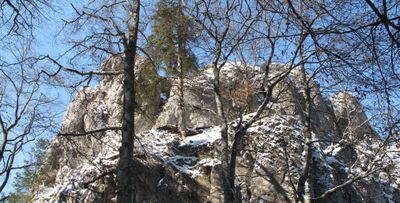
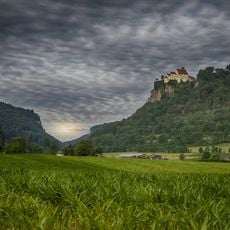
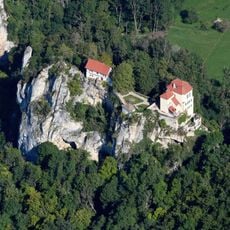
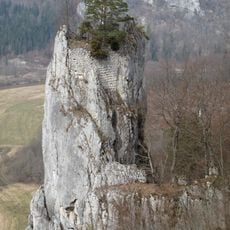
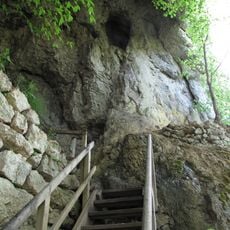
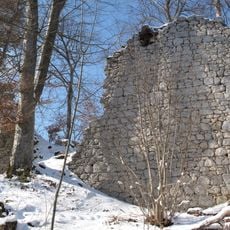
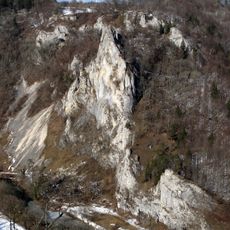
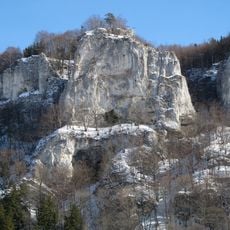
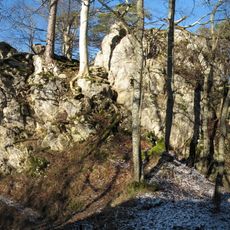
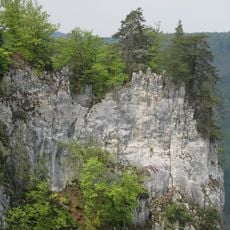
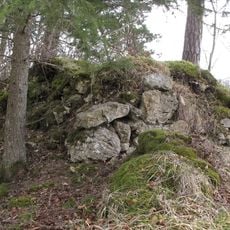
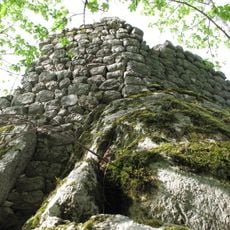
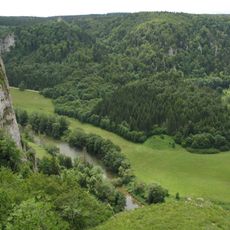
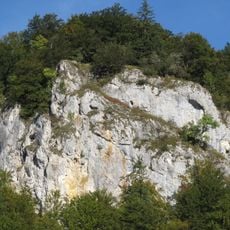
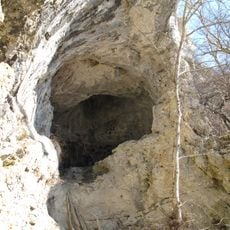
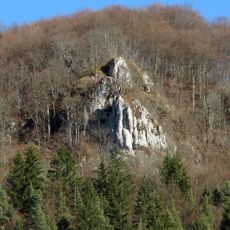
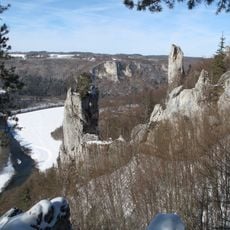
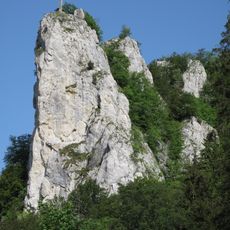
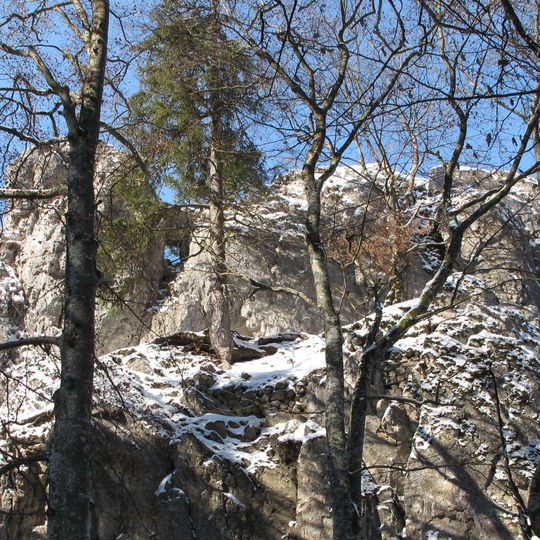
Wildenstein - Hahnenkamm is a castle ruin from the high Middle Ages located on a steep rocky outcrop about 730 meters above sea level north of Leibertingen. The site sits above a bend in the Danube and contains remains of defensive walls, a staircase to the upper platform, and internal spaces including a tunnel carved into the rock to provide protected movement through the site.
The castle was built between 1100 and 1150 and originally belonged to the Wildenstein family, first mentioned in documents between 1168 and 1174. It changed hands several times and came under the control of the Zimmern family in the 14th century, becoming an important regional fortress that remained significant until the 16th century.
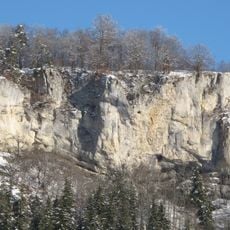
The castle takes its name from the Hahnenkamm, the rocky peak shaped like a rooster's comb that makes it recognizable from far away. This distinctive name has become part of the local identity and helps mark this place as a regional landmark.
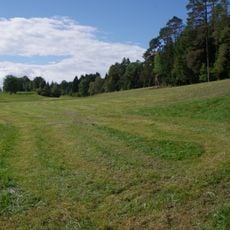
The site is accessible by walking paths from nearby villages and parks, with informational signs explaining the history and layout of the ruins. The walk is gentle and passes through forests and open fields, offering views of the Danube and surrounding countryside along the way.
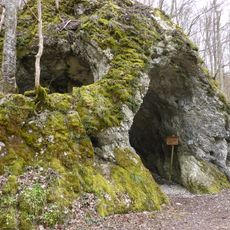
A tunnel carved into the rock allowed castle inhabitants to move through the site safely without being exposed to attackers. This hidden passage reveals how medieval fortifications were designed with thoughtful defensive details beyond just walls and towers.
The community of curious travelers
AroundUs brings together thousands of curated places, local tips, and hidden gems, enriched daily by 90,855 contributors worldwide.