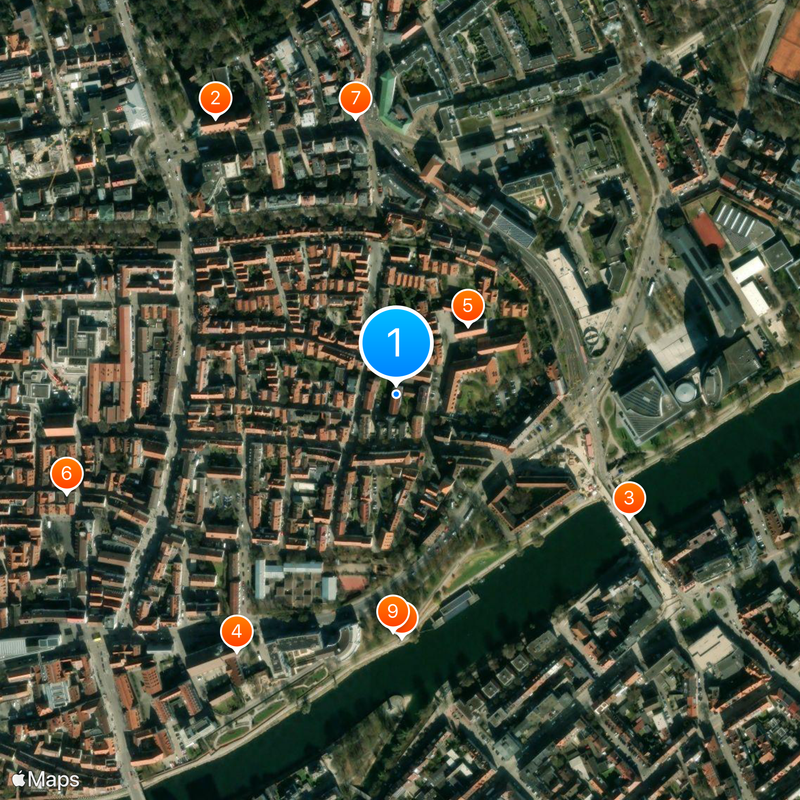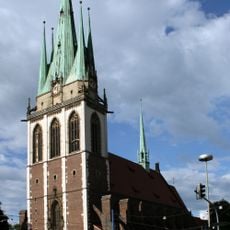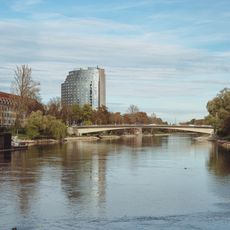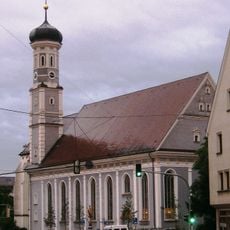
Swabia, Historical region in southwestern Germany.
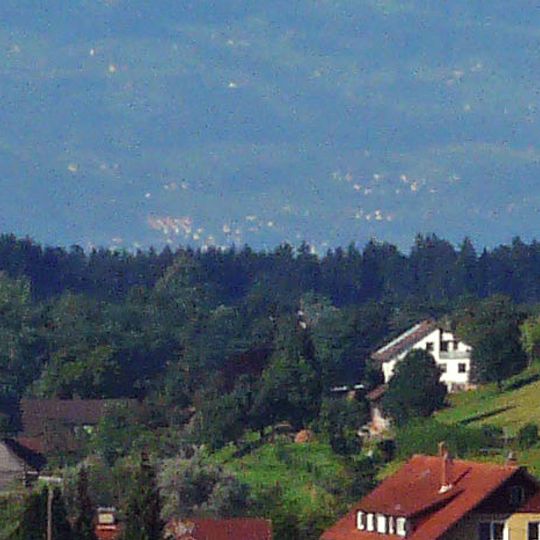
Swabia is a historical region in southwestern Germany stretching from the Black Forest to the Lech River, covering parts of Baden-Württemberg and Bavaria. The terrain shifts between forested uplands, rolling countryside, and the karst formations of the Swabian Jura with its elevated plateaus.
The Hohenstaufen dynasty governed Swabia from 1079 to 1268, building a major position of power within the Holy Roman Empire. After Hohenstaufen rule ended, the duchy fragmented into numerous smaller territories and free imperial cities that survived until the Napoleonic era.
Locals still speak the Swabian dialect in everyday settings, especially in smaller towns and rural markets across the area. Many families maintain traditional recipes for Spätzle and Maultaschen, often prepared in local inns following methods passed down through generations.
Visitors can explore the northern part with its farming landscapes and smaller towns or head south to the Allgäu with its meadows and alpine pastures. Distances between towns are often considerable, so planning multiple stops works well for longer stays.
The Swabian Jura holds more than 2,500 caves and hollow spaces formed by millions of years of limestone dissolution. Some of these underground passages were already inhabited during the Ice Age, as finds of tools and art objects show.
The community of curious travelers
AroundUs brings together thousands of curated places, local tips, and hidden gems, enriched daily by 91,921 contributors worldwide.