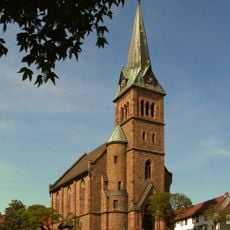
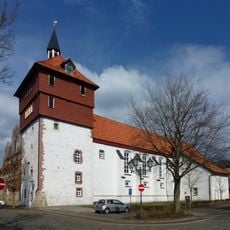
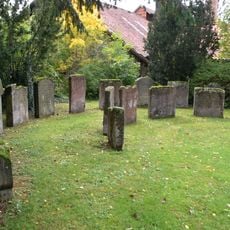
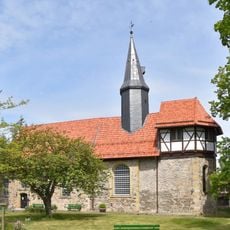
Gipskarstlandschaft Hainholz, Nature reserve in Osterode am Harz, Germany.
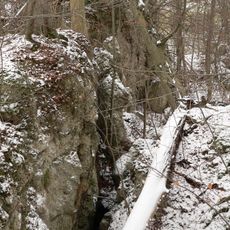
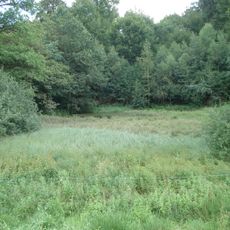
Gipskarstlandschaft Hainholz is a protected area covering about 640 hectares with gypsum cliffs, caves, and sinkholes in Lower Saxony. The landscape features typical karst formations with underground water systems and open rock valleys.
The Jettenhöhle, the largest cave here, was first recorded in 1308 as Gettenhelle in a Katlenburg charter, the earliest documented cave name in Germany. In 1799 Johann Friedrich Blumenbach used bones found in the marl pits to describe the woolly rhinoceros. The area was finally protected as Naturschutzgebiet Gipskarstlandschaft Hainholz on 5 October 1967, after long court disputes ended in an out-of-court settlement.
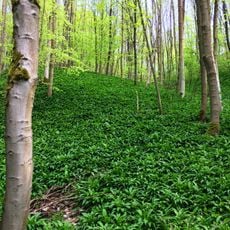
The name Hainholz comes from the hornbeam and thorn scrub recorded in the forest register of 1596, when old oaks and few beeches stood here. Today beeches with wild garlic cover the gypsum ground. The Südharzer Karstwanderweg, routed through the reserve since 1995, passes the sinkholes and springs.
The reserve has well-marked walking trails that pass through different landscape zones with good viewpoints along the way. Wear sturdy footwear and watch your footing during wet weather, as the ground can become slippery.
The Jettenhöhle cave system extends 748 meters through the gypsum rock and ranks among the region's largest gypsum formations. Exploring the cave reveals the underground world and shows how water has shaped rock over vast time periods.
The community of curious travelers
AroundUs brings together thousands of curated places, local tips, and hidden gems, enriched daily by 93,242 contributors worldwide.