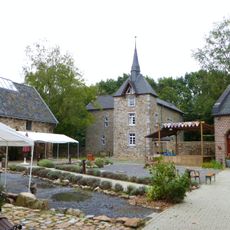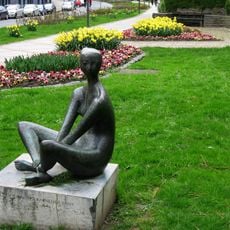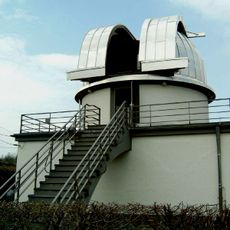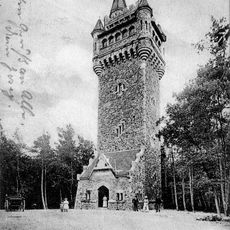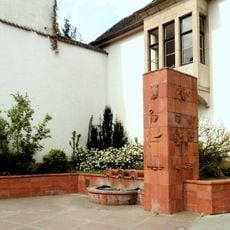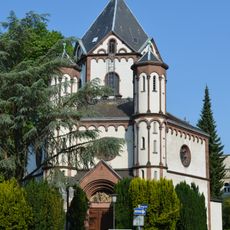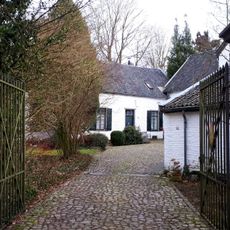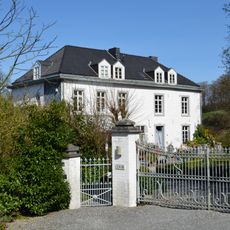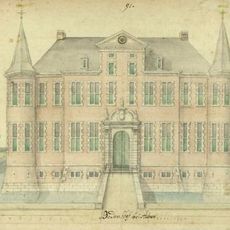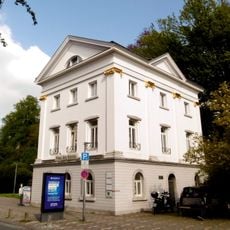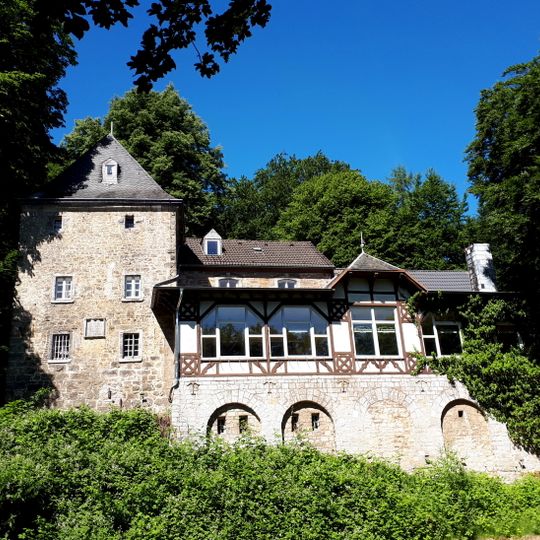
Alt-Linzenshäuschen, Forester's lodge and tower in Aachen, Germany.
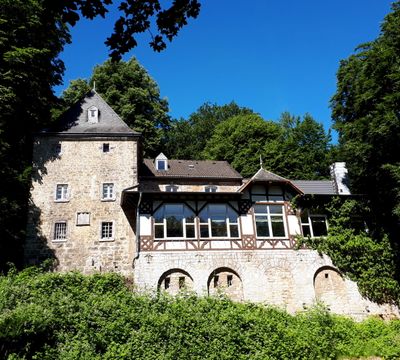
The Alt-Linzenshäuschen is a forester's lodge with a tower in Aachen, combining residential and watchtower functions in one structure. The building incorporates regional architectural features influenced by Liège-Aachen Baroque style.
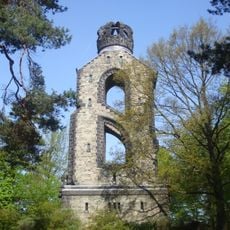
The watchtower Brandenberg was built around 1410 by the Free Imperial City of Aachen with the consent of the Duke of Jülich as part of the outer fortifications and the Aachen Landgraben. By the 15th century it also served as a forester's lodge; the first known forester, Peter Mölner, is recorded in 1458. In the early 18th century an inn and a barn were added, and from 1828 the site housed a customs post. The buildings were extensively renovated around 1850, and in 1893/94 a stone-vaulted annex was added on the road side.
The name Linzenshäuschen comes from Lenz Bestyn, a tower warden and forest official mocked as a wood thief after a 1510 complaint by Andreas von Merode; the people called him "Leensgyn up ghen huysgijn". Official records followed, from "Laurentii häußlein" (1699) to today's form. Carl Borromäus Cünzer set scenes of his 12 local-colour novellas here.
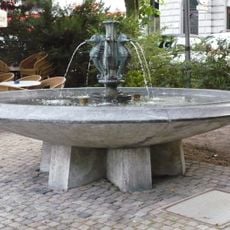
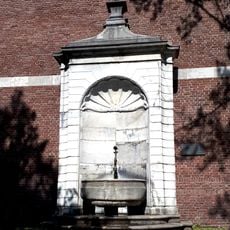
Alt-Linzenshäuschen stands on the Bundesstraße 57 in the Aachen forest south of the city, on the old pilgrim route from Eupen. The horse trough at the driveway, topped since 1905 by a raven sculpture and renewed in 1956 by sculptor Matthias Corr, is visible from the road. The complex is a protected monument; the former inn building is not open to the public as a museum.
The watchtower's name comes from Lenz Bestyn, a tower guard and forest official mocked as "Leensgyn up ghen huysgijn" after a 1510 complaint that he joined illegal woodcutting instead of stopping it. The nickname "little Lenz" stuck and became official by 1699 as "Laurentii häußlein".
The community of curious travelers
AroundUs brings together thousands of curated places, local tips, and hidden gems, enriched daily by 92,862 contributors worldwide.