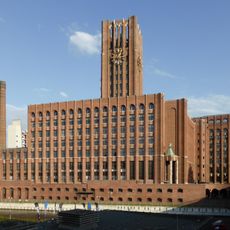
Deutsches Pressemuseum im Ullsteinhaus, Press museum in Tempelhof-Schöneberg, Germany.
The Deutsches Pressemuseum im Ullsteinhaus is a museum located in Berlin's Tempelhof-Schöneberg district that documents the history of newspapers and press in Germany. Inside, visitors encounter displays of historical newspapers, photographs from press archives, and machinery used in printing operations.
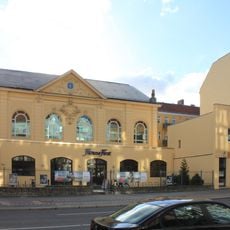
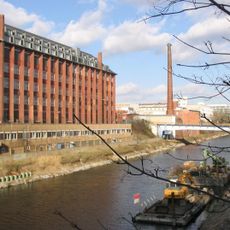
The museum opened in the Ullsteinhaus, a brick-expressionist landmark of the 1920s built for the Ullstein publishing house. Its sponsor association was founded in 2011 under Holger Wettingfeld, and the museum took part in the German Historical Museum's 2013 theme year "1933 – Zerstörte Vielfalt". It traces Berlin press history from the German Empire through National Socialism to the present.
The exhibitions show how journalism shaped German public life across different eras through the actual newspapers, layouts, and stories that reached readers. Visitors can observe how the press reflected and responded to major events and changes in society.
The museum occupies around 1,000 m² on a floor of the Ullsteinhaus, a 1920s brick-expressionist landmark in Tempelhof. The Kiosk collection of some 30,000 items from 1893–1973 is being opened up through a planned research centre backed by the Freie Universität Berlin's AKiP and the Humboldt-Universität's social and economic history chair. Ask the sponsoring association, founded in 2011, about group tours.
Robert Lebeck's Kiosk collection preserves tens of thousands of newspapers and magazines spanning a century, showing how street vendors sold publications to everyday readers. This assemblage now supports university research projects in Berlin that explore aspects of media history rarely found elsewhere.
The community of curious travelers
AroundUs brings together thousands of curated places, local tips, and hidden gems, enriched daily by 93,122 contributors worldwide.