Caves and Ice Age Art in the Swabian Jura, World Heritage caves with Ice Age art in the Swabian Jura, Germany
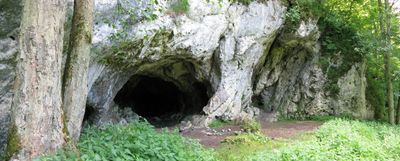
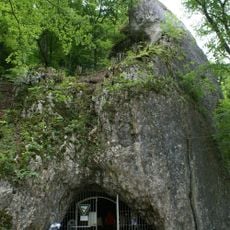
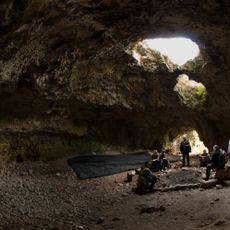
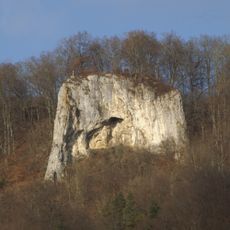
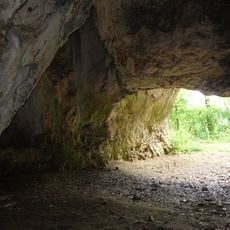
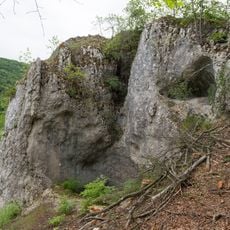
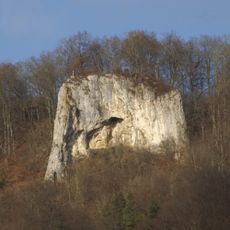
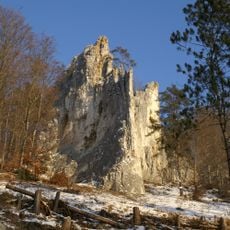
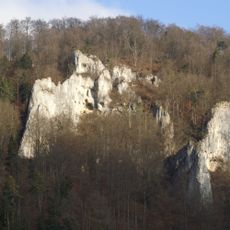
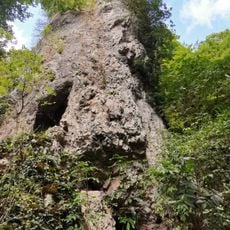
The Caves and Ice Age Art in the Swabian Jura comprises six limestone caves in two valleys: the Lone Valley (Hohlenstein-Stadel, Vogelherd, Bocksteinhöhle) and the Ach Valley (Geissenklösterle, Hohle Fels, Sirgenstein Cave). The caves formed in Jurassic limestone about 200 million years ago and hold Aurignacian figurines, bone flutes and ornaments. The World Heritage site covers 462.1 ha with a buffer zone of 1,158.7 ha.
The caves were used by Ice Age humans as shelter roughly 33,000 to 43,000 years ago, during the Aurignacian, when modern humans spread into Europe and settled in the easily accessible caves. The limestone bedrock itself formed about 200 million years ago from marine sediments of the Neotethys Sea, and the caves filled with sediment that preserved the objects people brought in. The six caves were inscribed on the UNESCO World Heritage List in 2017.
The caves display carvings of animals and human figures that people created here over forty thousand years ago. These objects represent some of the earliest forms of human artistic expression ever discovered.
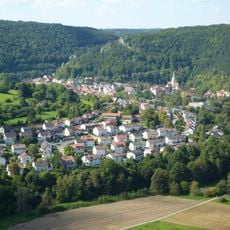
A museum in the nearby town of Blaubeuren displays original artifacts and helps explain the archaeological discoveries. Guided tours allow visitors to enter some of the caves and explore the landscape around them.
The Lion-man of Hohlenstein-Stadel, about 41,000 to 39,000 years old, is a figure carved from mammoth ivory with a human body and the head and limbs of a cave lion. It is among the oldest confirmed sculptures in the world. More than half of the original finds displayed in four museums are held at MUT Alte Kulturen in Hohentübingen Castle.
The community of curious travelers
AroundUs brings together thousands of curated places, local tips, and hidden gems, enriched daily by 92,840 contributors worldwide.