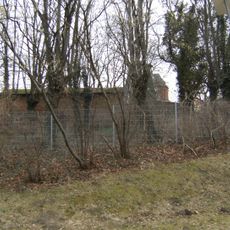
Peenemünder Schanze, Archaeological monument at northern tip of Usedom Island, Germany.
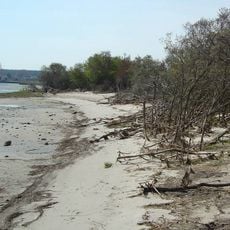
Peenemünder Schanze is an archaeological fortification at the northern tip of Usedom Island that dominates the mouth of the Peene River. Remains of the original earthworks and stone structures are still visible today, showing how the site once functioned.
The fortification was built in 1628 on imperial commander Wallenstein's orders as an earthwork to control the river mouth. Swedish forces later expanded it with casemates, and the fortress changed hands several times between Swedish and Prussian control.
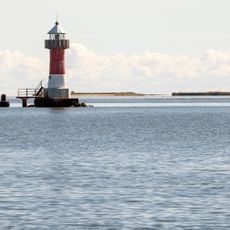
The fortification played an important role in protecting trade routes and collecting tolls from ships entering the region. Visitors can still observe how strategically important this location was for controlling water traffic.
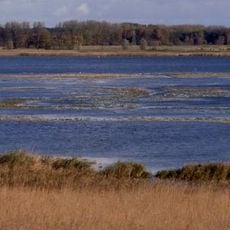
The site sits within a protected landscape and is accessible via marked walking paths that also lead to the Historical-Technical Museum. It is best visited on foot to take in the flat topography and water landscape surrounding the fortification at a leisurely pace.
During the Seven Years War, the fortress endured multiple sieges and was finally dismantled in 1759. Today the preserved earthworks and its location right at the water's edge still recall its former military purpose.
The community of curious travelers
AroundUs brings together thousands of curated places, local tips, and hidden gems, enriched daily by 91,364 contributors worldwide.