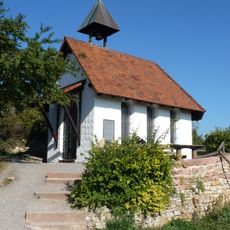
Schloss Dürkheim, Former Baroque palace in Bad Dürkheim, Germany.
Schloss Dürkheim was a Baroque palace built on a hill overlooking the town, originally designed as a two-story structure with 23 window bays and mansard roofs. The building dominated the surrounding landscape and served as an architectural landmark for the region.
The palace was completed in 1725 as a residence for the Counts of Leiningen-Dagsburg-Hardenburg and remained their seat for about 70 years. It was destroyed in 1794 during the French Revolutionary period, ending its era as a noble estate.
Around 1780, Prince Carl Friedrich Wilhelm zu Leiningen had a palace wing turned into a public theater that townspeople could attend free of charge. It was run by August Wilhelm Iffland of Mannheim, who staged premieres here, including his play "Die Jäger" on 9 March 1785, with the later prince Emich Carl zu Leiningen in a leading role.
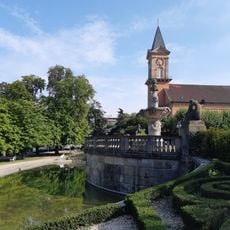
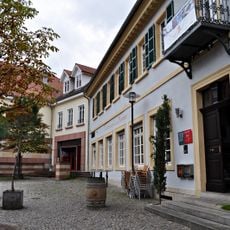
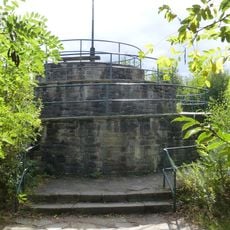
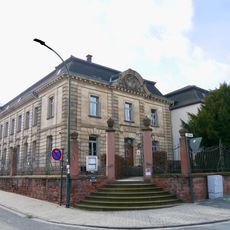
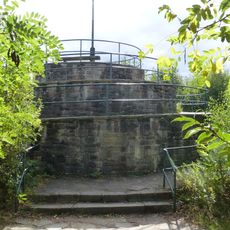
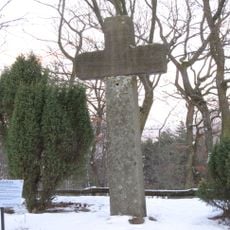
The Kurhaus, built 1822–1826 to plans by Johann Bernhard Spatz, stands on the palace site and serves as the town hall. An inscription on its south side recalls the palace and its destruction; the surviving garden pavilion and raised city wall with Latin builder's inscription are nearby.
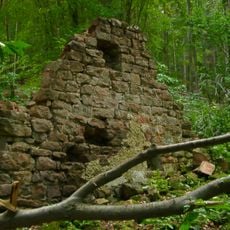
Sections of the medieval city wall were built into the northern boundary of the palace and later transformed into garden spaces. These walls predated the palace by centuries, reflecting the town's longer historical narrative.
The community of curious travelers
AroundUs brings together thousands of curated places, local tips, and hidden gems, enriched daily by 92,637 contributors worldwide.