Heidenmauer, Celtic rampart near Bad Dürkheim, Germany
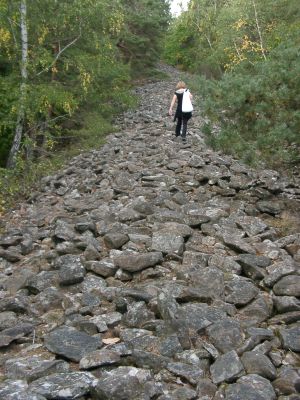
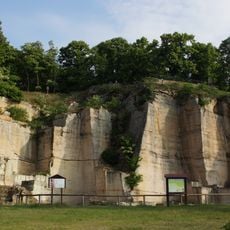
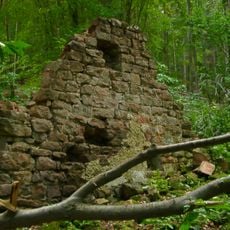
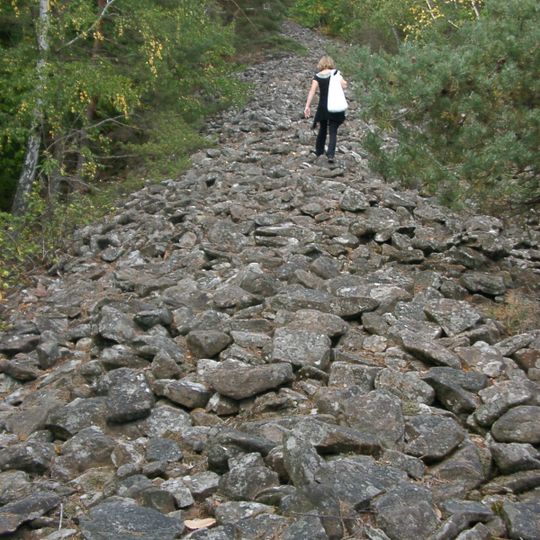
The Heidenmauer is a Celtic rampart that forms a ring around the Kästenberg hill in Rhineland-Palatinate, Germany. It is built from stone and timber locked together using the Murus Gallicus method, in which wooden beams hold the stone layers in place.
Celtic tribes built this fortification around 500 BCE and occupied the hill for roughly 40 years before leaving. The finds recovered from the site show it was not only a defensive point but also a place where crafts and trade took place.
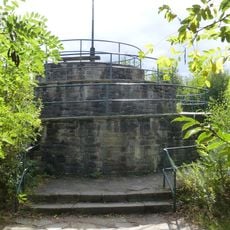
The name Heidenmauer means "wall of the pagans," which is what medieval people called the remains they could not explain. Visitors walking along the wall today can still see how the stone and earth were shaped into a continuous ring around the hilltop.
The site can be visited at any time of year, and marked trails follow the line of the rampart through the wooded hillside. Panels along the way explain what you are looking at, so no prior knowledge is needed to get something out of the visit.
Archaeologists found a network of ditches and channels inside the fortification that managed water flow across the hilltop. This shows that the people living here thought carefully about water supply, which was not an obvious challenge in a forested hill settlement.
The community of curious travelers
AroundUs brings together thousands of curated places, local tips, and hidden gems, enriched daily by 91,983 contributors worldwide.