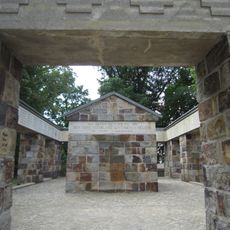
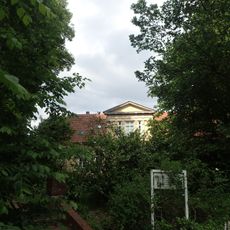
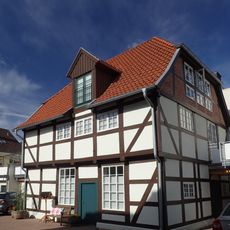
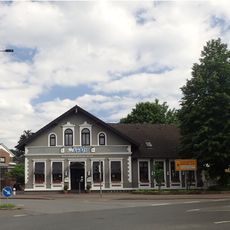
Pestruper Gräberfeld und Rosengarten, Protected area and Bronze Age cemetery in Wildeshausen, Germany.
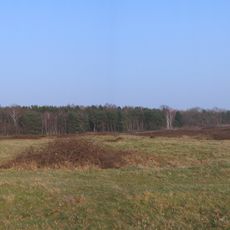
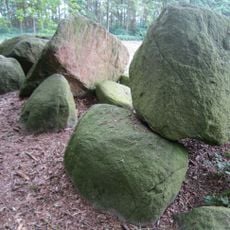
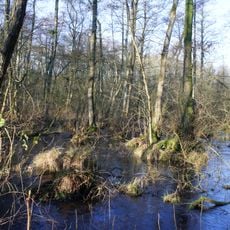
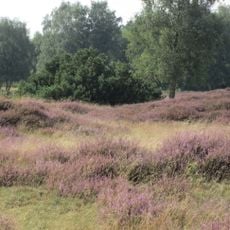
Pestruper Gräberfeld und Rosengarten is a 39-hectare nature reserve in Wildeshausen made up of two parts: the 32.4-hectare Pestruper Gräberfeld, a sand heath with numerous burial mounds from the Late Bronze and Early Iron Ages, and the smaller Rosengarten about 500 metres east, a former heath now largely overgrown with trees. The heath is grazed by moorland sheep and dotted with birches, black pines and oaks.
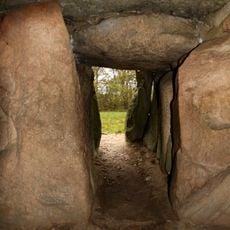
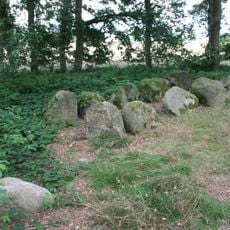
First protection efforts in the burial ground area date to 1819, when the Ducal Chamber in Oldenburg issued the first regulation protecting megalithic and tumulus graves. The area has been a nature reserve since 1 July 1938; the responsible lower nature conservation authority is the Oldenburg district. The reserve covers about 39 hectares in two parts, the Pestruper Gräberfeld and the Rosengarten.
The burial mounds date from the Late Bronze Age and Early Iron Age. The site is grazed by moorland sheep to keep the heath open, and a former field south of the burial ground is being turned back into heath. The name Rosengarten for the eastern section may come from a former horse rest and grazing area or from dense wild rose growth.
Several paths cross the reserve, and the burial ground section borders the K248 road between Wildeshausen and Goldenstedt, with the smaller Rosengarten section lying about 500 m to the east. The heath is grazed by moorland sheep, so keep to the trails and leave the mounds undisturbed.
Within the ancient burial ground stands a small grove of birch trees marking the crash site of an American bomber from 1944. This unexpected intersection of different historical periods makes the site a place where ancient and modern history literally overlap.
The community of curious travelers
AroundUs brings together thousands of curated places, local tips, and hidden gems, enriched daily by 92,681 contributors worldwide.