Hohe Eifel, Upland region in Rhineland-Palatinate, Germany.
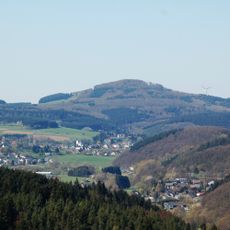
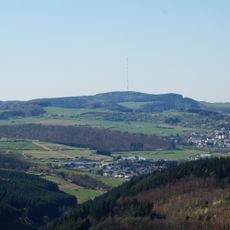
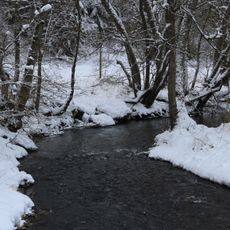
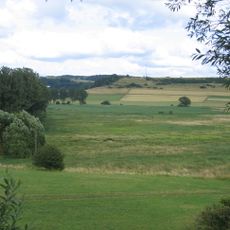
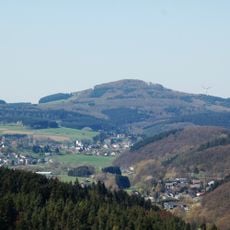
Hohe Eifel is an upland region in Rhineland-Palatinate that rises to around 575 meters above sea level. The landscape features rolling hills, deep valleys, and extensive forests of beech and oak trees that blanket the terrain throughout the year.
This region formed around 300 million years ago during the Hercynian orogeny, a major mountain-building event that shaped the terrain. The tectonic activity created the layered metamorphic and slate formations that remain visible in the landscape today.
Walking and outdoor activities have shaped how communities here connect with the land, with trails linking villages and natural viewpoints. These practices reflect a long tradition of people living alongside forests and hills rather than separate from them.
Walking trails crisscross the region, connecting viewpoints and natural features so visitors can explore different routes according to their interests and fitness level. Information centers in the area provide guidance about local trails and the ecology of the upland.
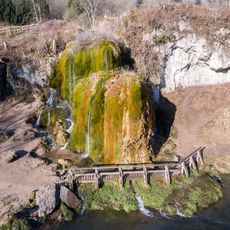
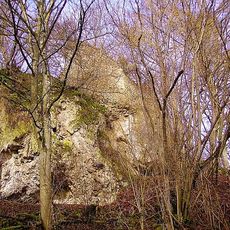
Natural sandstone formations punctuate the landscape and display visible traces of erosion and weathering across the terrain. These slow geological processes have shaped the distinctive landforms over millions of years and make the area geologically distinctive.
The community of curious travelers
AroundUs brings together thousands of curated places, local tips, and hidden gems, enriched daily by 92,781 contributors worldwide.